
Quick facts
- Cost
- Free (part of Kadriorg Park, no gate or ticket)
- Hours
- Open daily; best in daylight
- Getting there
- Inside Kadriorg Park; pair with a park walk and a nearby museum
- Best for
- Calm scenic walk – morning for quiet, late afternoon for warmer light




Why It’s Worth Your Time
Kadriorg is already Tallinn’s “slow down” neighborhood — and the Japanese Garden is one of its best micro-spots for calm.
It’s ideal when you want a scenic walk that’s beautiful without being a big ‘sightseeing project.’
How to Build It Into a Day
Best Time to Go
Go in gentle light:
- Morning for calm
- Late afternoon for warmth and softer colors
If you’re planning around seasons, see Tallinn in Spring and Tallinn in Summer.
Official Info
For the most current details and any seasonal notes, see the Tallinn Botanic Garden’s Japanese Garden page:
A Calm, Designed Landscape in Kadriorg Park
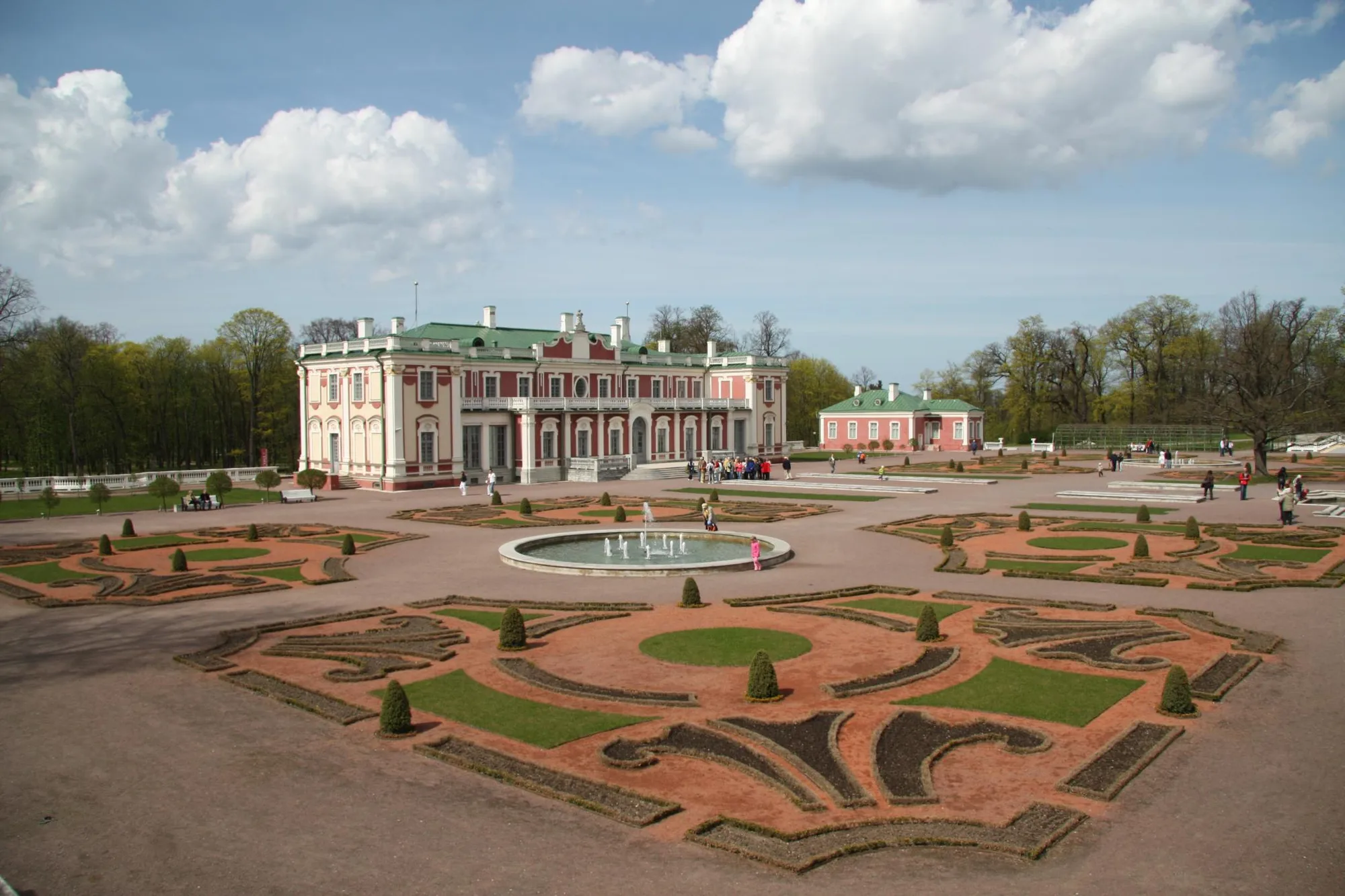
The Japanese Garden is a modern, carefully designed corner of Kadriorg Park — the grand park laid out around the palace that Peter the Great founded in the early 18th century. While the wider park is Baroque and formal in places, the Japanese Garden is something quieter: a contemporary landscape built around the principles of stillness, balance, and seasonal change.
Expect winding paths, carefully placed stones and water, raked gravel, pines, and flowering trees that shift with the seasons. It’s designed to be walked slowly, with framed views and small moments rather than big set-pieces — a deliberate antidote to the busier sights of the Old Town.
What to See Through the Seasons
The garden changes character across the year, which is part of its charm:
- Spring brings blossom and fresh green — many people’s favourite time (see Tallinn in Spring).
- Summer is lush and full, with long daylight for an unhurried walk.
- Autumn turns the trees gold and red, beautiful in low afternoon light.
- Winter is stark and minimal, with the garden’s structure showing through.
Wherever you are in the year, go in gentle light — early morning for calm, late afternoon for warmth — and let it be a slow stroll rather than a checklist stop.

Getting There and Pairing It
The garden is inside Kadriorg Park, east of the centre and reachable by tram or a pleasant walk through Kadriorg; see Getting Around Tallinn for routes. As part of the public park it’s free, with no gate or ticket, and is best enjoyed in daylight.
It pairs perfectly with a wider Kadriorg half-day: a park walk, the Japanese Garden, and a museum such as Kumu for art lovers or Miiamilla if you’re travelling with kids. For more peaceful corners like this, see Hidden Gems in Tallinn and Romantic Places in Tallinn.
A Pocket of Stillness
The Japanese Garden is, above all, a place to slow down, and that is what makes it special within an already gentle neighbourhood. Kadriorg is Tallinn's calmest district, and the garden distils that calm into a single designed landscape of winding paths, carefully placed stones and water, raked gravel, pines, and seasonal blossom. It is built around stillness and balance rather than spectacle, so the pleasure is in the small framed views and quiet moments you notice as you walk, not in any single headline feature. Go expecting a contemplative stroll rather than a major attraction and it will exceed your hopes.
It also works beautifully as part of a wider, unhurried day. Pair it with a walk through the rest of Kadriorg Park and the grand palace grounds that Peter the Great founded, then add a nearby museum such as Kumu for art lovers or Miiamilla for families. Visit in gentle light, early for solitude or late afternoon for warmth, and let the garden be the quiet centre of the afternoon. For more places with this kind of peace, see the Romantic Places in Tallinn and Hidden Gems in Tallinn guides.
Go here next
 Go here nextTallinn Old TownA deep dive into Tallinn’s UNESCO-listed Old Town: what to see, where to wander, viewpoints, cozy cafes, and how to experience it beyond the busiest lanes.Go here nextKadriorgKadriorg is Tallinn’s elegant green neighborhood: park strolls, museum time at Kumu, and a calmer pace that feels like a reset from the Old Town.Go here nextFreedom Square (Vabaduse väljak) + Victory ColumnFreedom Square is Tallinn’s modern civic heart at the edge of the Old Town — a spacious, open landmark anchored by the Victory Column and perfect for starting
Map
Tap markers to open linked guides.
Scroll to load the map
Map data © OpenStreetMap contributors, served by OpenFreeMap.
Nearby
FAQ
Is the Kadriorg Japanese Garden free?
Yes. It is part of the public Kadriorg Park, with no gate or ticket, and is best visited in daylight.
When is the best time to visit the Japanese Garden?
Spring blossom and autumn colour are especially beautiful, but the garden is rewarding year-round. For the calmest experience and softest light, go early in the morning or in the late afternoon.
What can I combine with the Japanese Garden?
It fits naturally into a Kadriorg half-day: a walk through the park, the garden itself, and a nearby museum such as Kumu, or Miiamilla if you’re with children. The wider Kadriorg neighbourhood is one of Tallinn’s loveliest areas to stroll.