
Quick facts
- Getting there
- By the river in Pirita; part of a relaxed Pirita half-day with a sea walk
- Best for
- Open, quiet medieval atmosphere – history with sky above it
- Good to know
- Opening times and access vary by season and events – check before you go



Why It’s Worth Going Beyond the Old Town
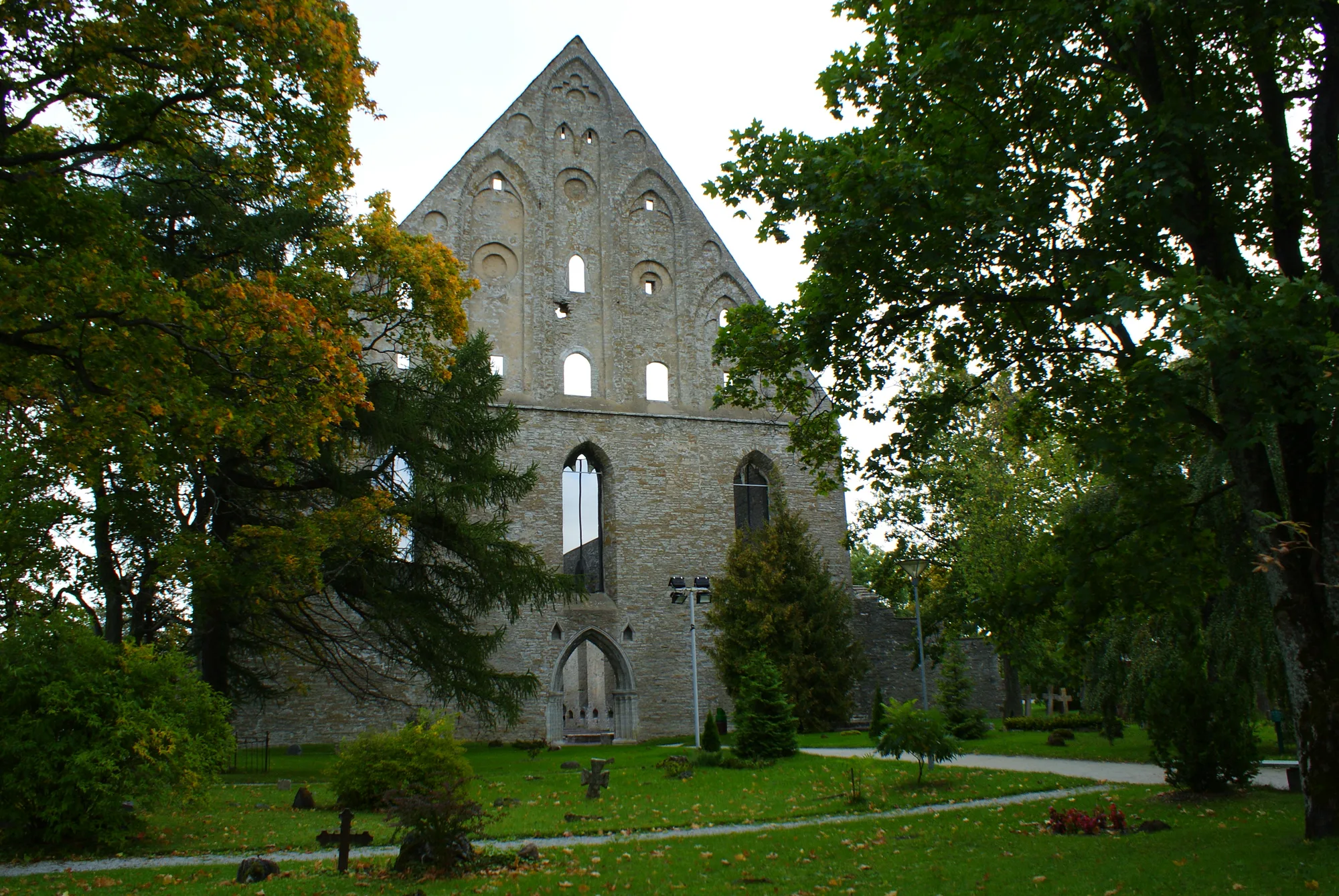
The ruins feel open and quiet — a different kind of Tallinn beauty than the Old Town. It’s history with sky above it: stone walls, river air, and a sense of time passing.
How to Plan the Visit
Pair It With
- Tallinn in Summer for long daylight walks
- A spa finish (see Saunas & Spas)
Practical Notes
Opening times and access can vary by season and events. Check official information before you go, especially outside summer.
The Story of St. Bridget’s Convent
The ruins are what remains of St. Bridget’s Convent (Pirita klooster), a Bridgettine monastery founded in the early 15th century and once among the largest convents in the region. For more than a century it was an important religious community on the bank of the Pirita River, until it was destroyed during the Livonian War in the late 16th century.
What survives is dramatic: the towering western gable and stone walls of the convent church still stand, open to the sky, with the outlines of the cloisters and buildings around them. The grounds are also used for events and concerts in summer, when the acoustics and the roofless stone setting make for a memorable atmosphere.
What to See and Do
It’s a calm, atmospheric stop rather than a long museum visit:
- Walk among the ruins — the soaring church gable is the highlight, and the open layout is easy to wander.
- Take in the setting — river on one side, sky above, and a quiet that feels far from the Old Town.
- Photograph the gable — especially striking against a low sun or dramatic clouds.
- Check for events — summer concerts and ceremonies sometimes use the grounds.
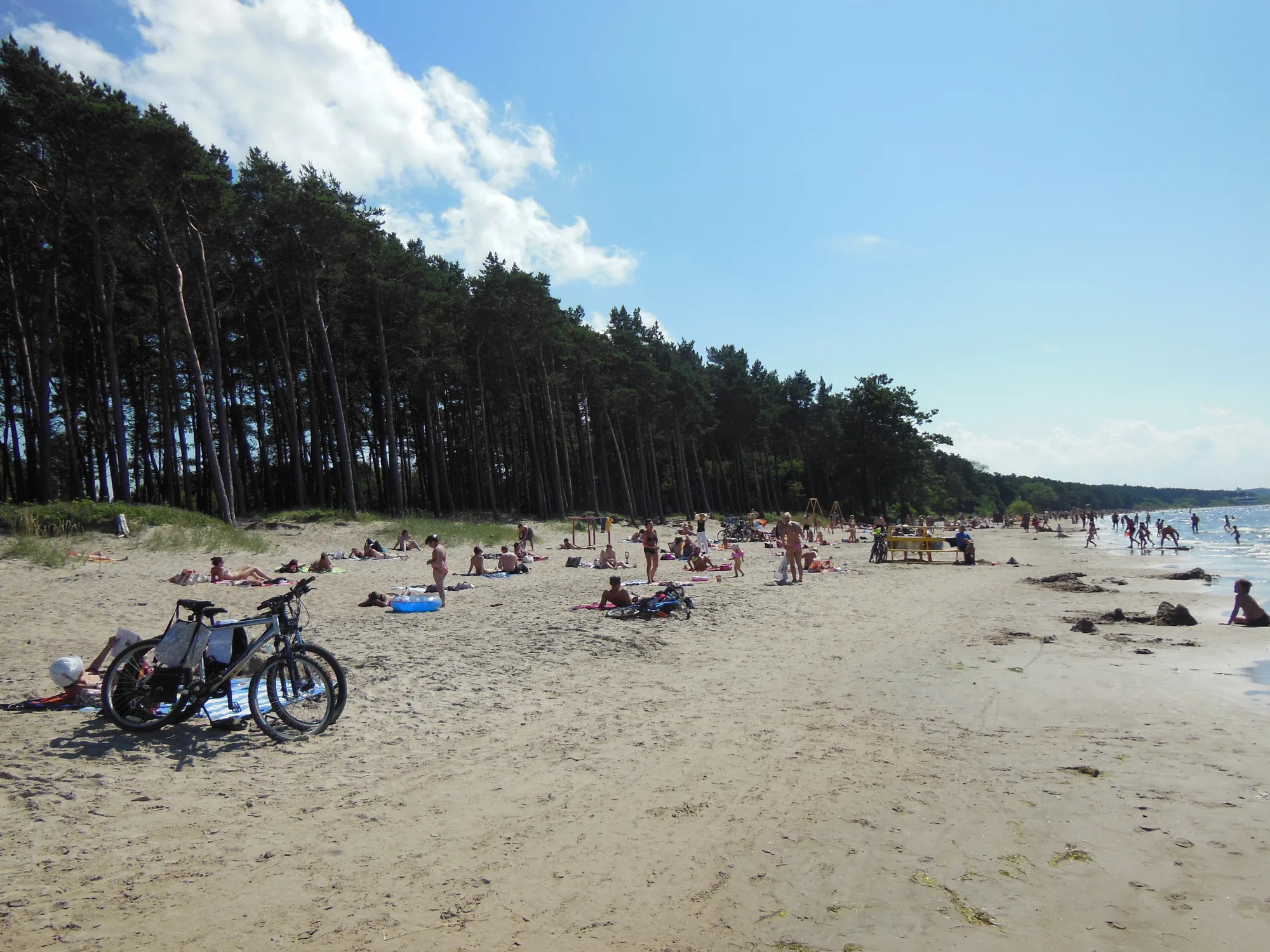
It pairs naturally with the rest of Pirita: the marina, the long beach, and the green riverside.
Getting There and When to Go
Pirita sits northeast of the centre along the coast, beyond Kadriorg. Many visitors combine the convent with a wider Pirita outing by public transport, bike, or car; see Getting Around Tallinn for routes and tickets.
Summer is the loveliest time, with long daylight, the nearby beach, and the chance of an evening concert. In summer the area is at its best for a relaxed half-day; outside the warm months, check opening times and access before you go, as they vary by season and events.
A Different Kind of Tallinn Beauty
The convent ruins offer a beauty quite unlike the dense, enclosed charm of the Old Town. Here the dominant feeling is openness: the great roofless church gable soaring against the sky, the river close by, and a quietness that makes the centuries feel present. Where the medieval city crowds you in pleasantly with towers and lanes, the convent gives you room to breathe, and that contrast is a large part of why the trip out is worth it.
It rewards an unhurried visit. Wander among the surviving walls, trace the outline of the old cloisters, and let the scale of the ruined gable sink in, then step back to take it in from a distance, where it is at its most photogenic against dramatic Baltic light. In summer the grounds sometimes host concerts and ceremonies, and the roofless stone setting makes for an atmospheric venue. Combined with the marina, the long beach, and the green riverside of Pirita, it anchors one of the most relaxed half-days the city has to offer, well away from the crowds.
Go here next
 Go here nextFreedom Square (Vabaduse väljak) + Victory ColumnFreedom Square is Tallinn’s modern civic heart at the edge of the Old Town — a spacious, open landmark anchored by the Victory Column and perfect for startingGo here nextTallinn Old TownA deep dive into Tallinn’s UNESCO-listed Old Town: what to see, where to wander, viewpoints, cozy cafes, and how to experience it beyond the busiest lanes.Go here nextPaldiski Day Trip from TallinnPaldiski is a rugged, sea-wind kind of day trip: a former military port town with stark coastline energy, best paired with Pakri cliffs and the lighthouse
Map
Tap markers to open linked guides.
Scroll to load the map
Map data © OpenStreetMap contributors, served by OpenFreeMap.
Nearby
FAQ
What are the Pirita Convent ruins?
They are the remains of St. Bridget’s Convent (Pirita klooster), a Bridgettine monastery founded in the early 15th century and destroyed during the Livonian War in the late 16th century. The dramatic stone church gable and walls still stand, open to the sky.
Is it worth going to the Pirita Convent ruins?
Yes, if you enjoy atmospheric history and a quieter, more open feel than the Old Town. The towering ruined gable, the riverside setting, and the calm make it a rewarding stop, especially as part of a Pirita half-day with the beach and marina.
How do I get to the Pirita Convent ruins?
Pirita is northeast of the centre along the coast, beyond Kadriorg, and is reachable by public transport, bike, or car. Many people combine the convent with a wider Pirita outing; check Getting Around Tallinn for current routes.