
Quick facts
- Getting there
- Walk in the center; trams/buses connect clusters; no car needed
- Best for
- Walk-first trips; a car is mainly useful for nature day trips
- Good to know
- Build each day around one cluster and walk once you arrive



Do You Need a Car in Tallinn?
No. For most trips, Tallinn is easiest without a car.
- The center is walkable.
- Trams and buses connect the main clusters.
- Taxis/ride-hail are useful for quick hops (especially in bad weather or late at night).
A car becomes useful mainly for nature day trips outside the city (Lahemaa, cliffs, quarries).
Tallinn Is a Walk-First City
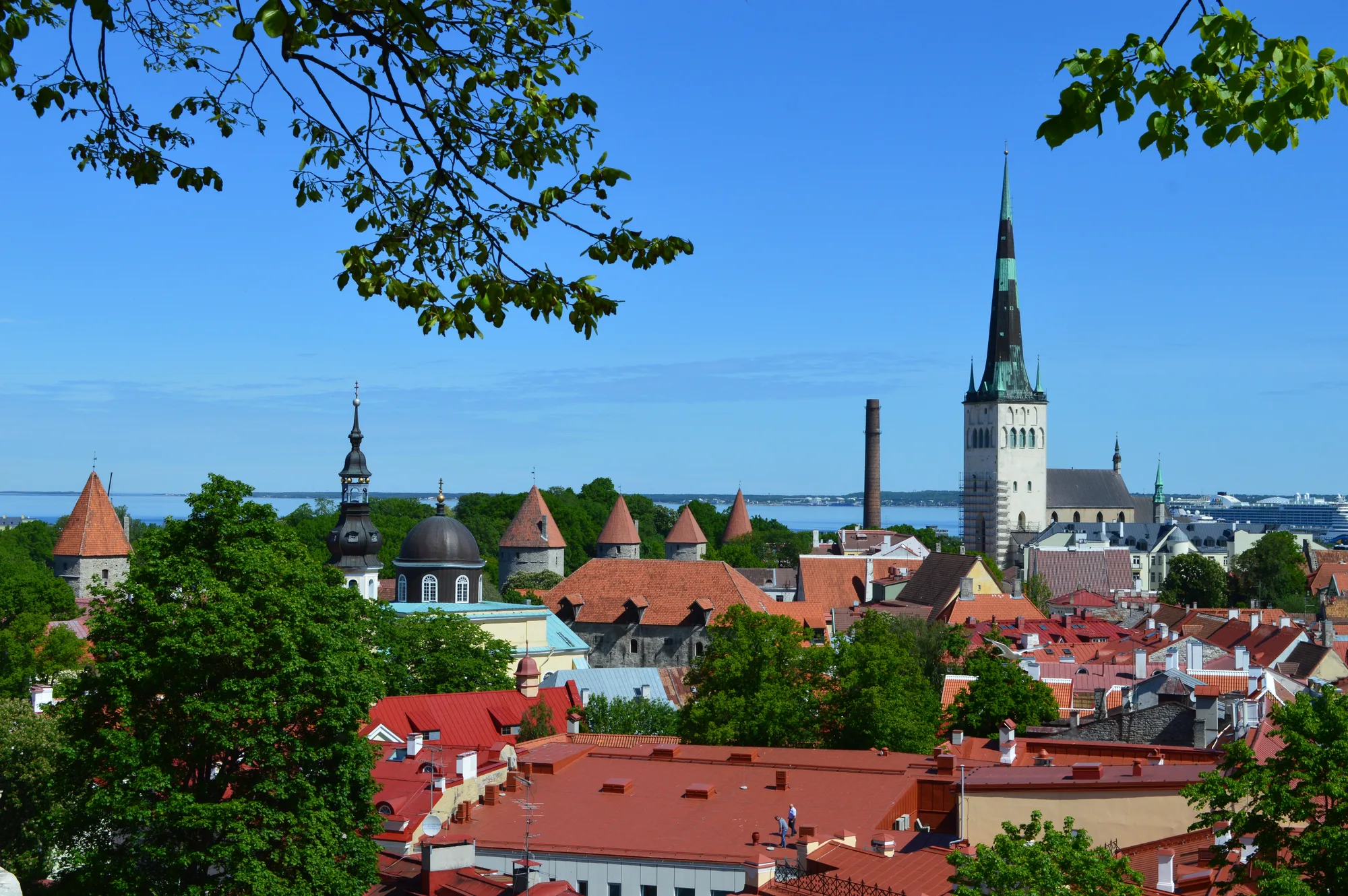
The Old Town and city center are easy on foot — and walking is part of the experience. Use public transport mainly to connect the “clusters.”
Great walking clusters:
- Old Town + Toompea
- Telliskivi + Kalamaja
- Kadriorg + museums

The Cluster Strategy (The Secret to Easy Tallinn Days)
Instead of bouncing across town, build each day around one cluster and let walking fill in the beauty.
- Old Town + Toompea: medieval lanes + viewpoints (best early and late).
- Kadriorg: parks + museums (a calmer, greener day).
- Telliskivi + Kalamaja: street art + cafes + modern Tallinn energy.
- Noblessner / Pirita: sea-air walks and sunset mood.
If you want ready-made cluster days, start with Weekend in Tallinn or 3 Days in Tallinn.
Simple Hops (What to Connect)
- Old Town ↔ Kadriorg for parks and museums.
- Center ↔ Telliskivi/Kalamaja for modern food and street art.
- Center ↔ Noblessner/Pirita for sea air.
- Center ↔ Rocca al Mare for Tallinn Zoo and the Open Air Museum.
- Center ↔ Nõmme for Nõmme Market and pine-forest neighborhood vibes.
For specific itinerary ideas, start with Weekend in Tallinn.
Trams and Buses (What They’re Best For)
Think of public transport as a way to connect walking zones.
- Use trams/buses to get to Kadriorg, Telliskivi/Kalamaja, Noblessner, Pirita.
- Once you arrive, switch back to walking.
If you’re arriving by air, start with Tallinn Airport to City Centre.
Taxis / Ride‑Hail (When They Make Sense)
A short taxi/ride-hail hop can be the difference between “fun day” and “windy slog,” especially in winter.
- Best for: late evenings, bad weather, and quick transfers with luggage.
- Least necessary: central Old Town days.
Tickets & Practical Notes
Transport systems and ticket rules can change. For up-to-date info, check official Tallinn transport sources close to your trip.
If you’re planning multiple attractions, you may also want to consider Tallinn Card (worth it mainly for museum-heavy days).
Walking Reality (Cobblestones, Hills, and Shoes)
Tallinn’s charm comes with texture:
- Old Town has cobblestones.
- Toompea involves hills/steps.
- Sea-air areas can be windy.
Comfortable shoes and a wind layer are the simplest “transport upgrades” you can pack.
Day Trips: When You Might Want a Car
Inside Tallinn: no car needed.
Outside Tallinn: a car (or a guided tour) can make nature day trips feel smooth.
If day trips are in your plan, start with Day Trips from Tallinn and decide whether you want a nature day like Lahemaa or a city-hop day like Helsinki.
Public Transport: Trams, Buses and Trolleybuses
Tallinn’s public transport network is run by the city and combines trams, buses and trolleybuses into one integrated system. For visitors, trams are the most useful day to day — they’re frequent, easy to navigate, and connect the center with key areas like Kadriorg and the airport. Buses fill in the gaps and reach the outer neighborhoods.
A well-known quirk: public transport is free for registered Tallinn residents, but visitors still pay normal fares. Don’t assume it’s free for you. Validate your ticket every time you board, as inspectors do check. Routes, fares and ticketing methods change, so confirm the current setup on official Tallinn transport sources close to your trip — and see Tallinn Public Transport Tickets for the ticketing detail.
How Tickets Work (Keep It Simple)
You don’t need to overthink fares; just make sure you’re valid. Visitor fares are inexpensive — a 1-hour single ticket is €2, and time passes run €5.50 (1 day), €9 (3 days) and €11 (5 days), with a €30 monthly option for longer stays. Three simple ways to pay:
- Contactless bank card: tap on the validator when you board — each tap buys a 1-hour ticket. The simplest option for most visitors.
- QR / app tickets: buy a single or time-based ticket online or at a ticket machine, then scan it at a QR validator (often only at the front of the vehicle).
- Ühiskaart smartcard: a rechargeable card you load with money or a period ticket — handy for longer stays.
- The Tallinn Card: bundles public transport with museum entries — worth it mainly for museum-heavy days; compare against single tickets.
Whatever method you use, validate on boarding and keep proof of your ticket. Prices are stable but can be adjusted, so it’s worth a quick check on the official transport page if you’re budgeting to the cent — see Tallinn Public Transport Tickets for the full rundown.
Cycling, Scooters and Other Options
Beyond walking and transit, Tallinn has a few more ways to get around:
- E-scooters: shared scooters are widely available via apps and handy for short hops — ride considerately and park out of the way.
- Cycling: the city is increasingly bike-friendly, especially along the seafront; see Tallinn Bike Rental & Cycling Guide.
- Ride-hail apps: convenient and usually affordable for door-to-door trips, late nights or bad weather.
For a fully car-free approach to the whole trip, see Tallinn Without a Car.
Accessibility Notes
Tallinn’s mix of medieval and modern shows up in accessibility. The Old Town’s cobblestones and hills (especially the climb to Toompea) can be challenging for wheelchairs, strollers and anyone with mobility limits, while the modern city center, newer trams and many museums are far more accessible.
Plan Old Town visits for energy and good footwear, use ramps and lifts where available, and lean on short taxi hops to skip the steepest connections. For a deeper rundown, see Tallinn Accessibility Guide.
Walking Times Between Key Areas
Tallinn is compact, and once you know the rough distances you’ll often choose to walk:
- Old Town to Kadriorg: a pleasant longer walk along the bay, or a short tram ride.
- Old Town to Telliskivi/Kalamaja: a short walk out past the city wall and Balti Jaam.
- Old Town to the harbor/cruise terminals: a manageable walk or a quick hop (see Tallinn Cruise Port to Old Town).
- Within the Old Town: everything is a few minutes apart on foot.
The takeaway: walk within a cluster, ride between clusters. Build each day around one area and you’ll barely need transport at all.
If You Do Rent a Car
Inside Tallinn a car is more hassle than help — parking is paid and limited in the center, and the Old Town is largely pedestrian. But a car genuinely shines for day trips that are awkward by public transport: the manors and trails of Lahemaa, the Pakri Cliffs, or the springs at Tuhala and Saula.
A common strategy is to stay car-free in the city and rent only for the day(s) you head out. If you’d rather avoid driving entirely, many trips work by bus, train or guided tour — see Tallinn Without a Car and Day Trips from Tallinn.
Go here next
 Go here nextTallinn Airport to City CentreHow to get from Tallinn Airport to the city: quick options, simple routes, and what to choose depending on where you’re staying (Old Town edge, RotermannGo here nextTallinn Public Transport Tickets (Trams & Buses)A practical guide to Tallinn public transport tickets: how tickets work, where to buy them, and how to use trams and buses to connect Old Town, KadriorgGo here nextTallinn Layover Itinerary (4–8 Hours, No Stress)Got a Tallinn layover? Tallinn Airport is close to the city. Here’s a calm layover plan (4–8 hours): Old Town loop, one viewpoint moment, a coffee stop
Map
Tap markers to open linked guides.
Scroll to load the map
Map data © OpenStreetMap contributors, served by OpenFreeMap.
Nearby
FAQ
Is Tallinn easy to get around without a car?
Yes. The center is walkable, and public transport makes it easy to connect clusters like Kadriorg, Telliskivi/Kalamaja, and the waterfront. A car is mainly useful for nature day trips outside the city.
What’s the best way to move around Tallinn as a tourist?
Walk within neighborhoods and use trams/buses (or short taxi hops) to connect them. Plan your day around one cluster so you’re not constantly commuting.
Is Tallinn walkable in winter?
Yes, but expect wind and slick surfaces. Build your days around one indoor anchor (museum or sauna) and keep outdoor loops shorter.