
Quick facts
- Time needed
- Short stop / half day
- Good to know
- A historic sacred springs site — visit respectfully


Why Go to Saula
Saula is a “small stop, big mood” kind of place: clear springs, forest atmosphere, and a calm pause that feels very Estonia.
It’s best for travelers who like nature moments that are scenic without being a full hiking day.
What to Do (And How to Keep It Nice)
- Walk slowly, look into the water, and let the colors change as the light shifts.
- Treat it as a quiet, respectful place — it’s known historically as a sacred/sacrificial springs site.
If you want to turn it into a fuller half-day, combine it with Tuhala Witch’s Well.
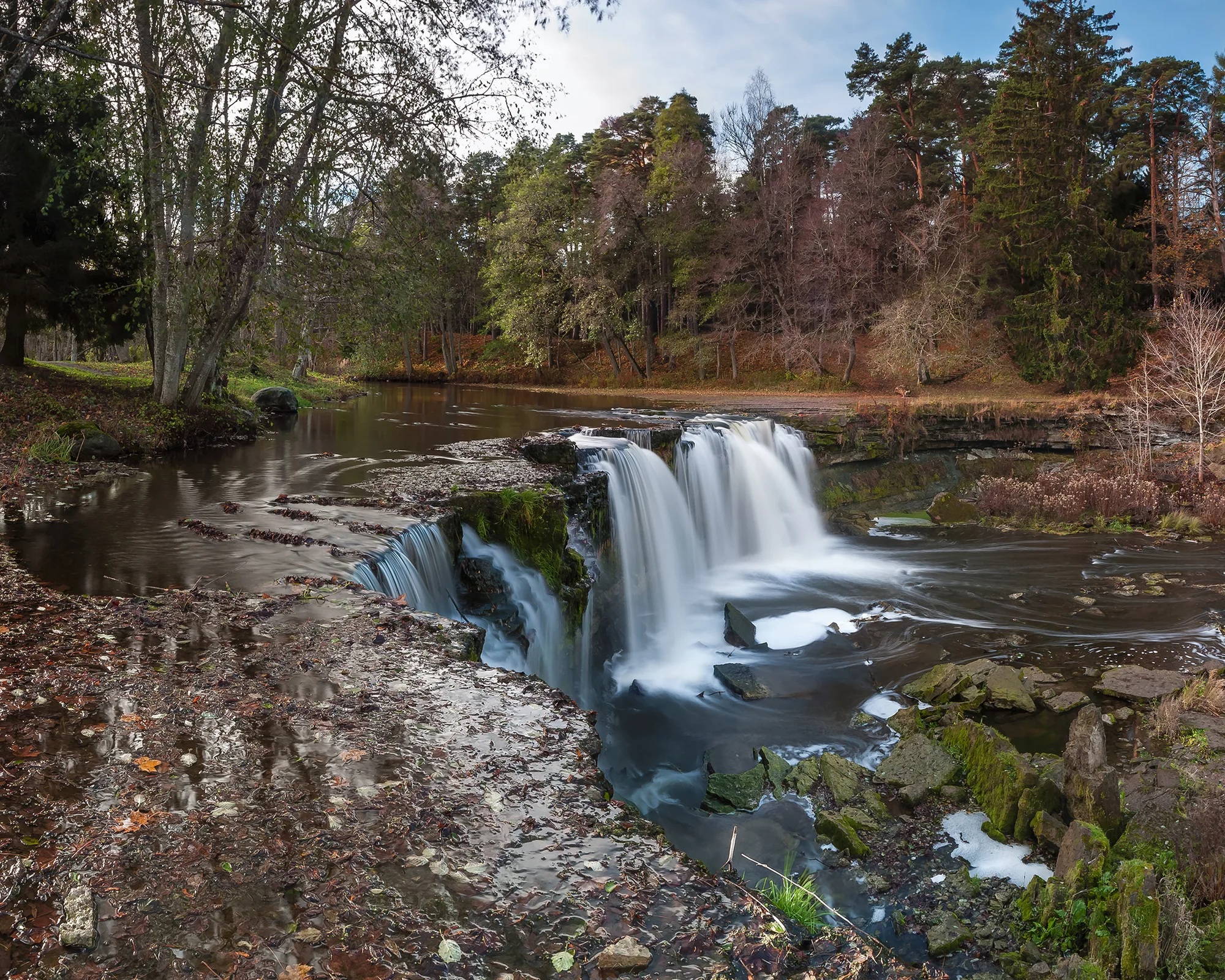
How to Plan Your Half‑Day
A simple plan:
- Saula springs stop → one short walk → return to Tallinn
Back in the city, pair the calm nature vibe with something cozy: Old Town at dusk or a long cafe sit (see Best Cafes).
More Info
For official background and visitor context, see Visit Estonia:
Why the Water Looks Blue
The Blue Springs of Saula (Saula siniallikad) are a small cluster of karst springs where groundwater rises up through the limestone. Their striking blue-green tint comes from a combination of very clear, mineral-rich water, fine pale sediment on the spring beds, and the way light scatters in the cold, still pools. The color shifts with the light and the angle you look from, which is part of the magic.
The springs have long been considered sacred — historically a sacrificial and healing site — so they carry a quiet, respectful atmosphere alongside their natural beauty.
Visiting Respectfully
This is a “small stop, big mood” place, best enjoyed slowly:
- Stay on marked paths and don’t disturb the springs or surrounding nature.
- Don’t throw things in or wade — it’s a protected and culturally significant site.
- Go quietly and let the colors change as the light moves.
It’s a short visit by nature, so the best approach is to go slow rather than linger long.
Getting There and Pairing
Saula is south of Tallinn, near Tuhala, and is easiest by car or guided tour.
- Best pairing: combine it with Tuhala Witch’s Well for a complete half-day of small natural wonders.
- Back in the city, match the calm with dusk in the Old Town or a long café sit (Best Cafes in Tallinn).
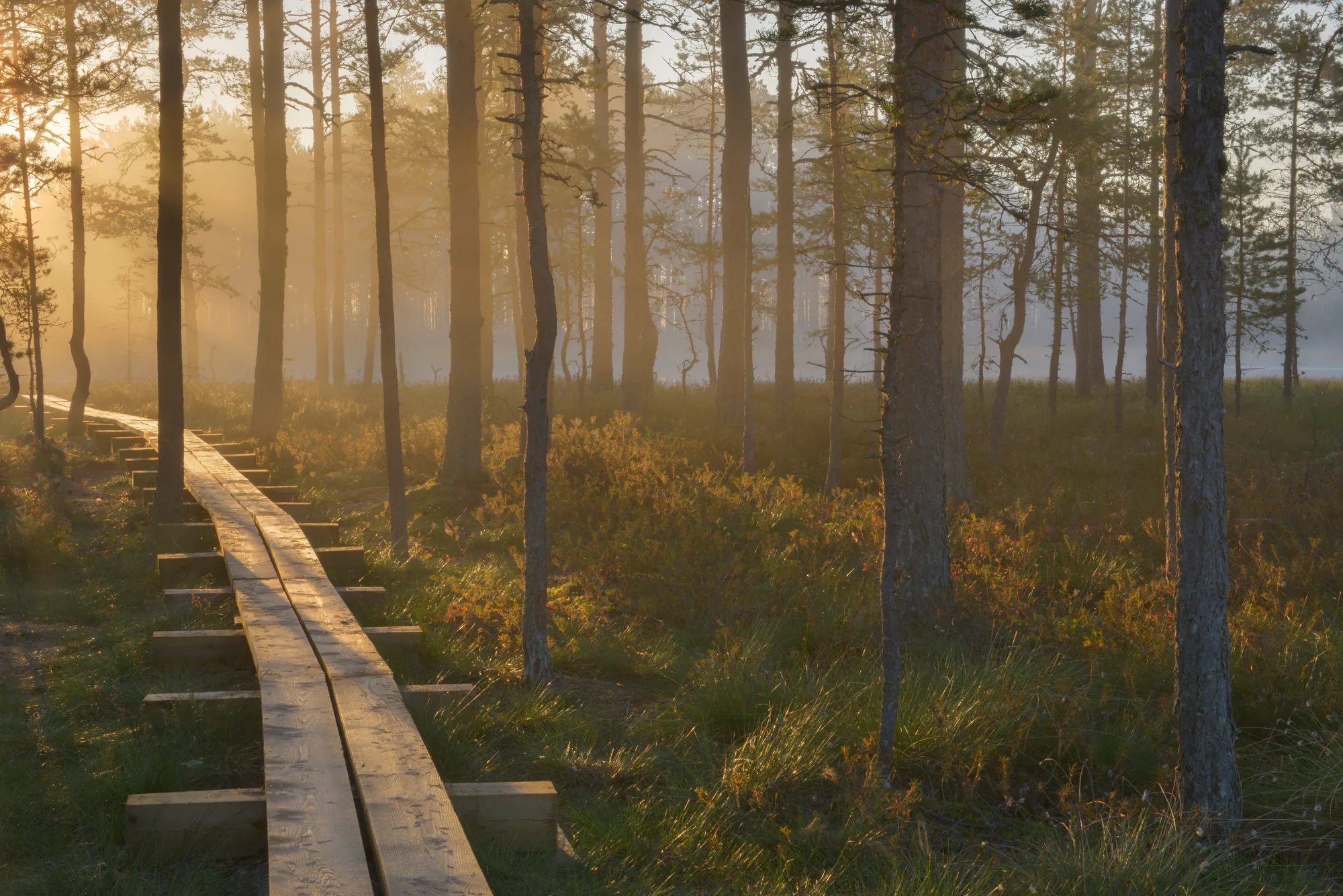
Tips, Season and What to Bring
- It’s a short visit — go slow rather than long; the magic is in the colors and calm.
- Stay on marked paths and don’t disturb the protected, historically sacred springs.
- Wear comfortable shoes for forest paths that can be damp.
- Bring water and snacks, since there are no facilities.
- Best in good light, when the blue-green tones are most vivid.
The springs are easiest to reach by car or guided tour, south of Tallinn near Tuhala.
Combine With Tuhala for a Full Half-Day
Saula is a small stop, so the best way to enjoy it is as half of a paired outing with the Tuhala Witch’s Well just minutes away. Together they make a complete, gentle nature half-day of small Estonian wonders — clear springs, a karst well, and quiet countryside.
Back in Tallinn, match the calm mood with dusk in the Old Town or a long café sit (Best Cafes in Tallinn). For more nature ideas near the city, see Day Trips from Tallinn.
Why Visit the Blue Springs
The Blue Springs of Saula are a small but genuinely beautiful natural curiosity — clear karst springs whose blue-green water shifts color with the light, set in quiet forest and carrying a long history as a sacred, healing site. It’s not a big-ticket attraction, and that’s precisely the appeal: it rewards travelers who enjoy slowing down and noticing something subtle and special.
Because it’s a short stop, the best way to experience it is as half of a paired half-day with the nearby Tuhala Witch’s Well. Together they make a gentle, off-the-beaten-path nature trip south of the city — a calm contrast to the medieval bustle of the Old Town.
Go here next
 Go here nextViru Bog Trail Day TripViru Bog (Viru raba) is one of the most iconic boardwalk walks in Estonia — a calm, photogenic Lahemaa day trip from Tallinn with a classic bog landscapeGo here nextTuhala Witch’s Well Day TripTuhala Witch’s Well is one of Estonia’s most unusual small day trips from Tallinn: a karst well that can “boil over” after heavy rain, set in quiet natureGo here nextPaldiski Day Trip from TallinnPaldiski is a rugged, sea-wind kind of day trip: a former military port town with stark coastline energy, best paired with Pakri cliffs and the lighthouse
Map
Tap markers to open linked guides.
Scroll to load the map
Map data © OpenStreetMap contributors, served by OpenFreeMap.
Nearby
FAQ
How long do you need at Saula Blue Springs?
It’s a small stop, so it works beautifully as a short visit — especially when paired with another nearby nature stop like Tuhala. The best approach is to go slow rather than stay long.
Why are the Saula springs blue?
The blue-green color comes from very clear, mineral-rich karst groundwater over pale spring beds, plus the way light scatters in the cold, still water. The tone changes with the light and your viewing angle.
Can you swim in the Blue Springs?
No — it’s a protected and historically sacred site, so you should stay on marked paths, avoid disturbing the water, and treat it as a place to look and reflect rather than swim.