
Quick facts
- Cost
- Free to wander the streets
- Best for
- History and romance; first-visit wandering
- Good to know
- UNESCO-listed since 1997; go early for quieter streets



Why the Old Town Feels So Special
Tallinn’s Old Town is the city’s medieval heart — towers, walls, cobblestones, and viewpoints that make it easy to understand why people fall in love with Tallinn fast.
It’s also UNESCO-listed: the Historic Centre (Old Town) of Tallinn was inscribed in 1997. That’s a fancy way of saying the core is genuinely historic — not a rebuilt “theme” street.
The best plan is a “soft map”: have a few anchors, then wander.
Upper Town vs. Lower Town (The Simple Way to Think About It)
Lower Town is where the merchant city feel lives: lanes, courtyards, guild stories, and the classic Old Town “getting lost” magic.
Upper Town (Toompea) is where you go for viewpoints, cathedrals, and the sense of power/history sitting above the rooftops: Toompea.
A great first-visit loop is literally “low → high → low”:
- Viru Gate → Town Hall Square → Kohtuotsa / Patkuli → a cafe stop
Anchors to Build Your Wander Around
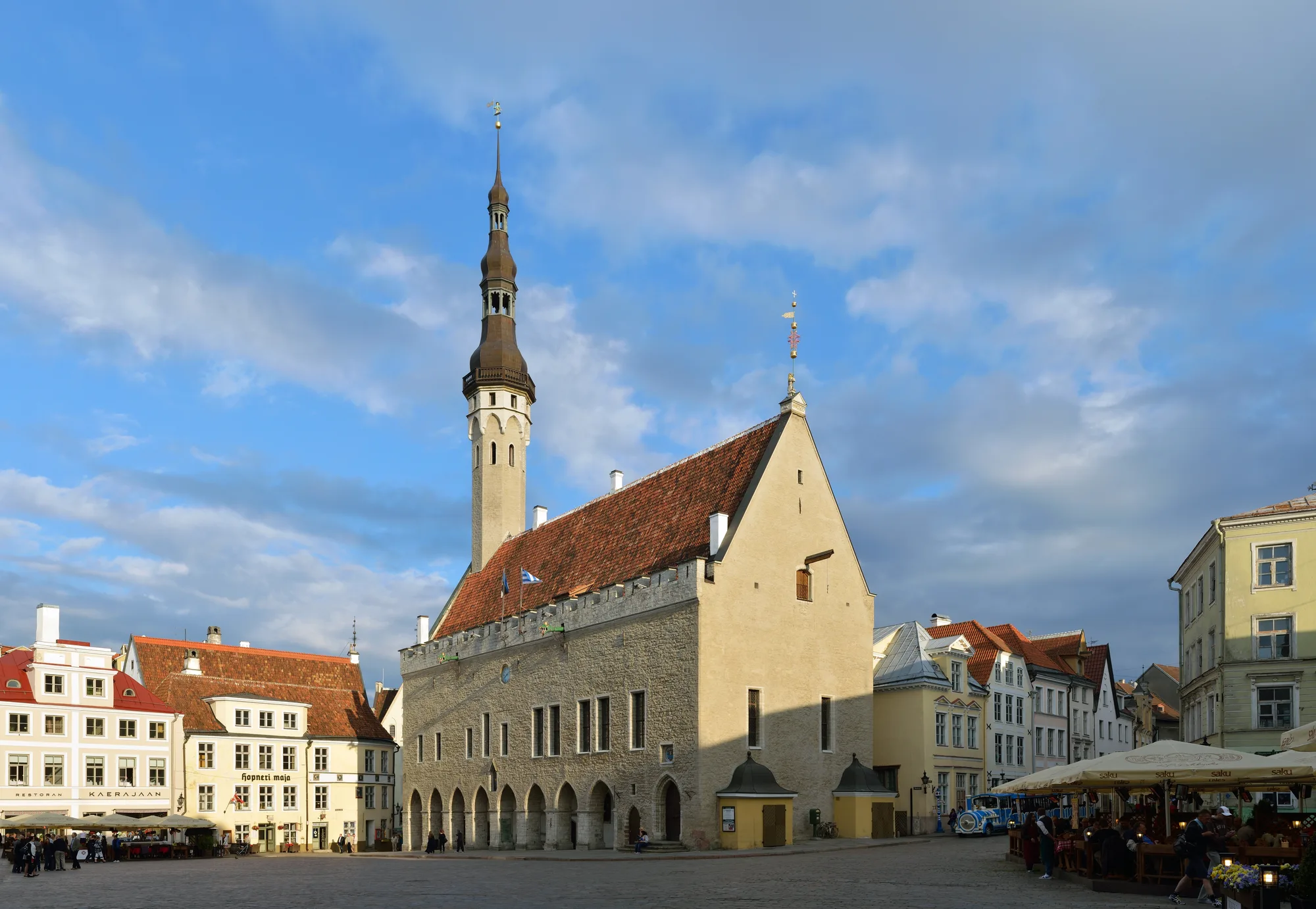
- Town Hall Square — the center of gravity.
- Viru Gate — a classic entry.
- Toompea — the upper city and the best viewpoints.
- St. Catherine’s Passage — a quick “medieval lane” moment.
- Town Hall Pharmacy (Raeapteek) — a small, fascinating detour.
How to Do the Old Town Without Burning Out
- Go early for quieter streets.
- Take breaks in cafes instead of trying to “cover ground.”
- Save your viewpoints for golden hour.
For a full Old Town + Toompea loop, use Walking Routes in Tallinn.
A Quick History (Why It Survived)
Tallinn's Old Town is special partly because it is so complete. It grew rich as a Hanseatic League trading port from the 13th century onward, and the wealth of that merchant era built the guild halls, churches and town houses you still walk past today.
Crucially, the medieval core was never demolished and rebuilt the way many European old towns were. Through centuries of changing rulers — Danish, German, Swedish, Russian and finally independent Estonian — the walls, towers and street plan largely survived intact. That continuity is exactly why UNESCO inscribed the Historic Centre of Tallinn in 1997: it is one of the best-preserved medieval towns in Northern Europe, not a reconstruction.
You feel this as you walk. The lanes follow their medieval lines, the city wall still rings much of the core with its towers, and the Town Hall — completed in the early 15th century — still presides over the main square. Knowing the place is genuinely old, rather than restored for visitors, changes how it feels underfoot.
What to See Inside the Walls
Beyond simply wandering, a handful of stops give the Old Town shape.
- Town Hall Square (Raekoja plats) — the medieval heart, ringed by merchant houses and home to the Christmas Market in winter.
- St. Olaf's Church — once reputedly among the tallest buildings in the world; its tower platform offers seasonal views.
- Town Hall Pharmacy (Raeapteek) — one of Europe's oldest continuously running pharmacies, with a small free exhibit.
- Niguliste Museum — medieval church art, including a famous dance-of-death fragment.
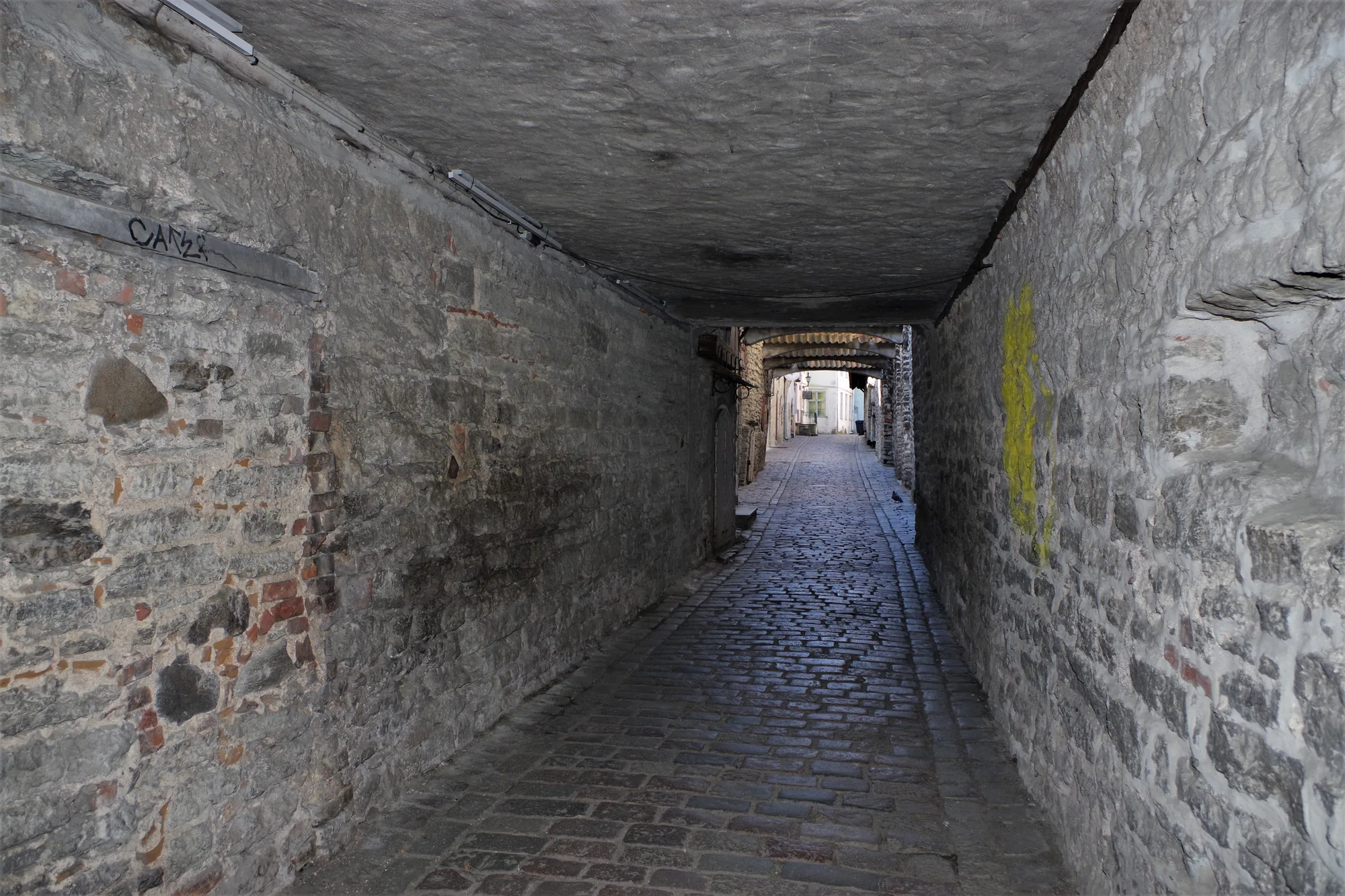
- St. Catherine's Passage — the most atmospheric lane in the city, lined with artisan workshops.
- The city walls and towers — long stretches of the medieval fortifications still stand and can be admired (and in places climbed) around the edges of the core.
Cap any visit with the climb to Toompea for the Kohtuotsa and Patkuli viewpoints — the images you will take home.
Practical Tips for the Old Town
- Wear the right shoes. The cobblestones are beautiful and genuinely hard underfoot over a long day, and slippery when wet. Grippy, cushioned soles beat flat or heeled shoes.
- Beat the cruise crowds. The square and main lanes fill between roughly mid-morning and mid-afternoon in summer. Early morning and evening are calmer and more atmospheric.
- Everything is cashless. Cards and contactless work everywhere, from cafés to museum desks.
- It is compact. You can cross the core on foot in about 15 minutes, so getting briefly lost is part of the fun rather than a problem.
- Check hours seasonally. Museum and church opening times shift with the season, so it's worth a quick check before building a visit around a specific interior.
Go here next
 Go here nextFreedom Square (Vabaduse väljak) + Victory ColumnFreedom Square is Tallinn’s modern civic heart at the edge of the Old Town — a spacious, open landmark anchored by the Victory Column and perfect for startingGo here nextPirita Convent Ruins (St. Bridget’s Convent)The Pirita Convent ruins are a powerful medieval landmark by the river in Pirita — an atmospheric stop that pairs beautifully with Pirita Beach, the TV TowerGo here nextKadriorg Japanese GardenKadriorg’s Japanese Garden is one of Tallinn’s calmest, most beautiful outdoor corners — a quiet design-forward walk inside Kadriorg Park that feels especially
Map
Tap markers to open linked guides.
Scroll to load the map
Map data © OpenStreetMap contributors, served by OpenFreeMap.
Nearby
FAQ
Is Tallinn's Old Town worth visiting?
Very much so. It is one of the best-preserved medieval towns in Northern Europe and the reason most people fall for Tallinn. UNESCO-listed since 1997, its walls, towers, lanes and viewpoints are genuinely historic rather than reconstructed.
How much time should I spend in the Old Town?
A relaxed loop including Town Hall Square, a lane or two, and the Toompea viewpoints takes about two to three hours. Add cafe stops, a museum or the city walls and it easily fills a half or full day. It also rewards repeat visits at different times of day.
Is the Old Town free to visit?
Wandering the streets, squares and viewpoints is free. You only pay for specific interiors — certain museums, church towers and attractions. A walking-first day in the Old Town can cost very little beyond a coffee or two.
When is the best time to visit Tallinn's Old Town?
Early morning before the cruise crowds, or the evening once they leave, gives the quietest, most atmospheric experience. Golden hour is best for the Toompea viewpoints. In winter, the Christmas Market makes Town Hall Square especially magical.