
Quick facts
- Cost
- Adults €15; reduced €10; family €30 (free with Tallinn Card)
- Hours
- May–Sep daily 10:00–18:00; Oct–Apr Tue–Sun 10:00–18:00 (closed Mon)
- Getting there
- In the Old Town, near Town Hall Square and Toompea
- Best for
- Medieval and sacred art in an atmospheric church setting
- Good to know
- Access can change for concerts and services – check before you go





Why It’s a Standout Old Town Museum
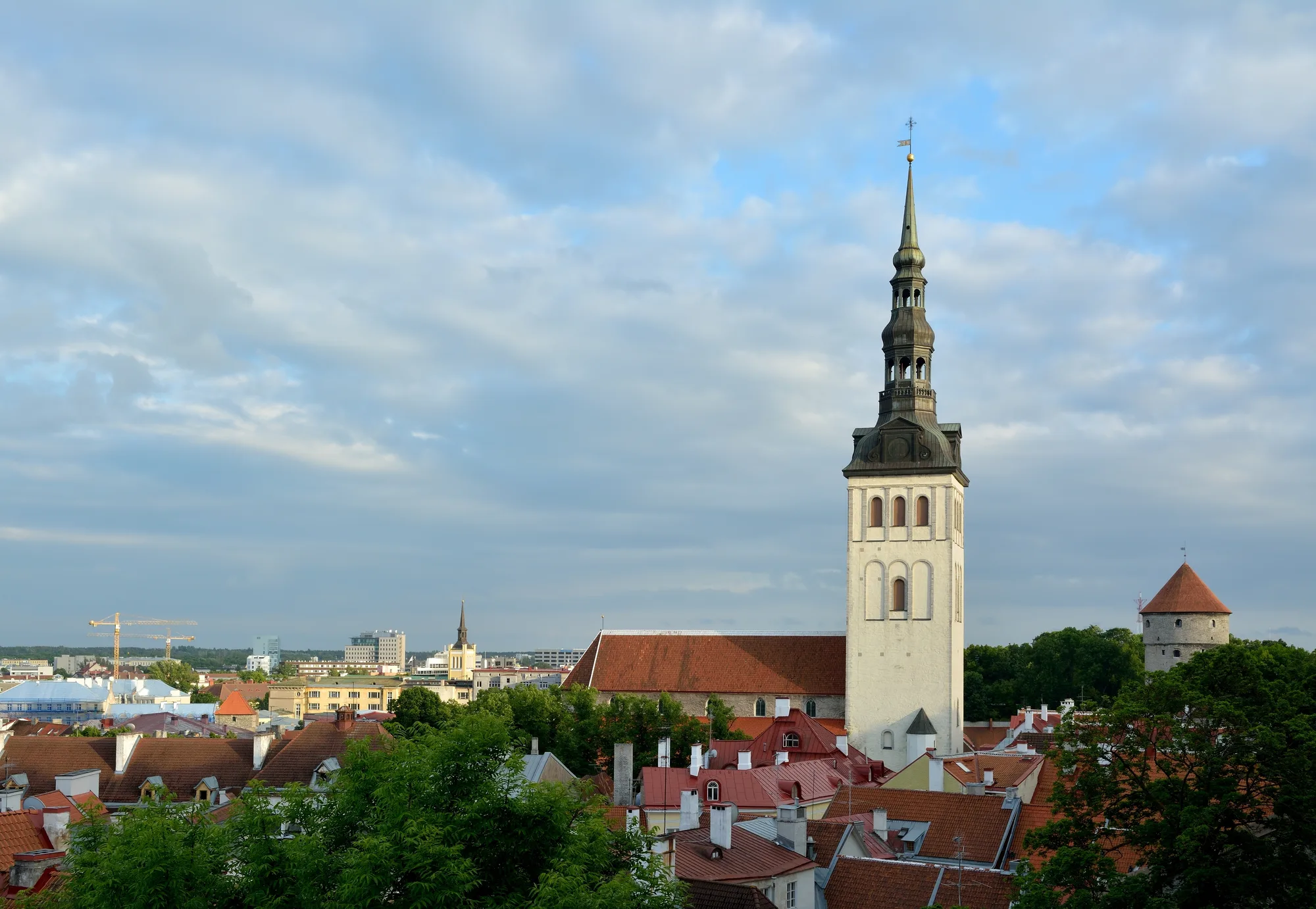
Niguliste is the kind of museum you remember because the setting is the experience: medieval art inside a former church, with Tallinn’s Old Town just outside the door.
It works beautifully as a quiet anchor between busier sightseeing stops — especially if you want something more reflective than “another viewpoint.”
What to Look For
Plan to move slowly and notice details:
- Medieval and early sacred art (altarpieces, sculpture, painting)
- Dramatic light and atmosphere inside the church interior
- A “deep history” mood that contrasts nicely with cafes and street life outside
How to Fit It Into Your Day
A simple Old Town arc:
- Freedom Square → museum stop → Toompea viewpoints
Or, make it part of a medieval-history trio:
- Great Guild Hall → Town Hall Square → Niguliste
Practical Notes
Museums sometimes change access rules for concerts, services, and special exhibitions. For anything time-sensitive (hours, tickets), check the official Niguliste Museum site before you go.
A Medieval Church Turned Museum
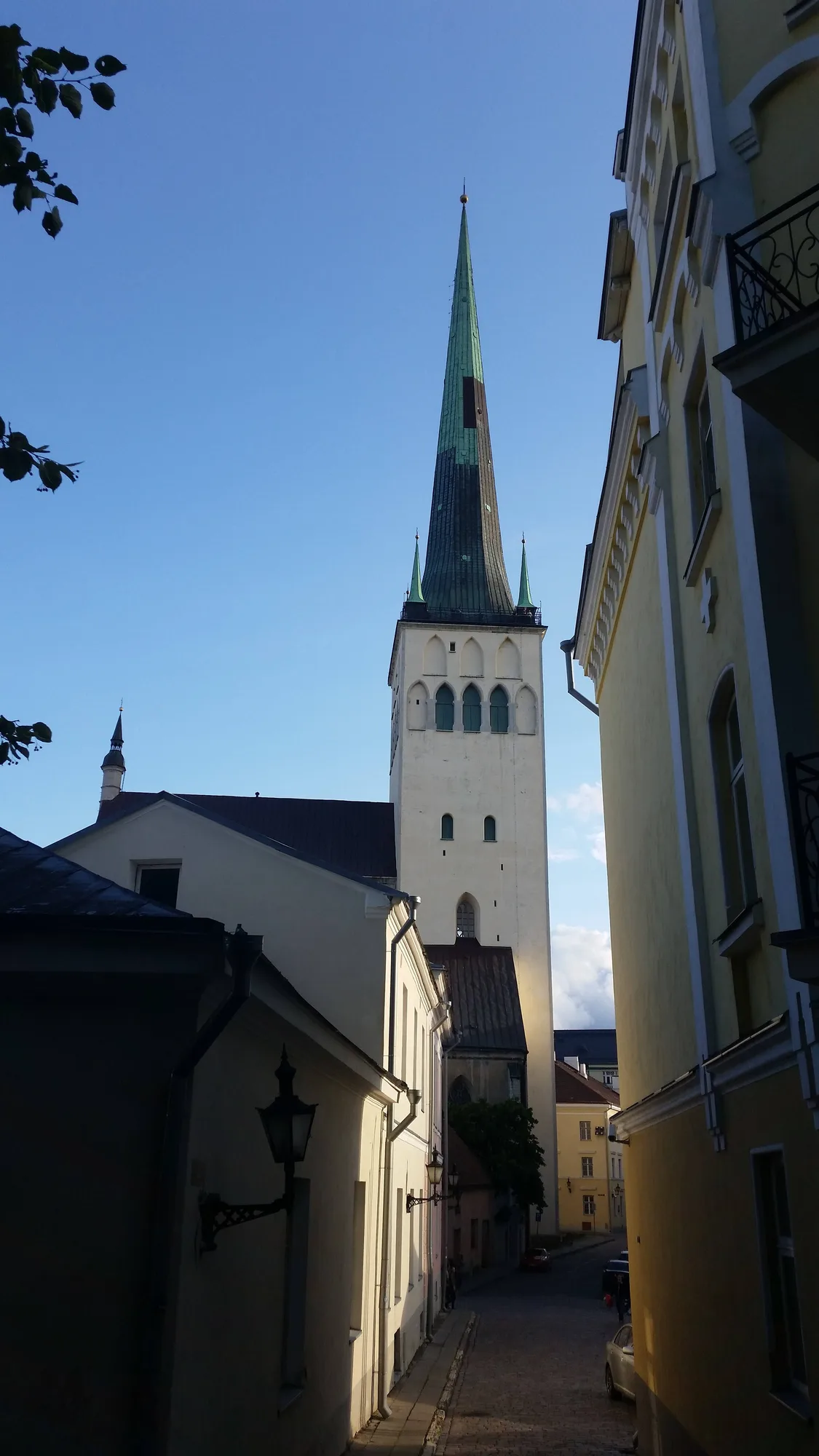
Niguliste is a medieval church dedicated to St. Nicholas, the patron saint of sailors and merchants — fitting for a Hanseatic trading city like Tallinn. Founded in the 13th century, it served the German merchant community of the lower town for centuries and grew into one of the Old Town’s grandest churches.
It was badly damaged by Soviet bombing in March 1944 and later restored, and rather than returning to use as a parish church it reopened as a branch of the Art Museum of Estonia. That history is part of its character: the soaring Gothic space now functions as a museum of ecclesiastical art and a concert hall, prized for its acoustics.
Its single most famous treasure is Bernt Notke’s ‘Danse Macabre’ (Dance of Death), a haunting late-medieval painting in which figures from every rung of society — pope, emperor, ordinary folk — are led away by death. Only a fragment survives, but it is one of the most significant medieval artworks in northern Europe and reason enough to visit on its own.
What You’ll See
Move slowly here — the setting and the art reward unhurried attention:
- Bernt Notke’s ‘Danse Macabre’, the museum’s signature masterpiece.
- Medieval and early-modern altarpieces, sculpture and sacred art, including grand carved retables.
- The dramatic Gothic interior itself, with its height, light and atmosphere.
- A separate silver chamber displaying historic guild and church silver.
- If your timing is lucky, a concert in the acoustically superb nave.
Who It Suits
Niguliste suits travellers who love art and history in atmospheric settings — anyone drawn to medieval art, sacred spaces, or a quieter, more contemplative stop than another viewpoint. The ‘Danse Macabre’ alone makes it a must for art lovers, while the church interior appeals to anyone who simply enjoys a beautiful, calm space in the middle of a busy Old Town.
It sits centrally near Town Hall Square and the climb to Toompea, so it slots neatly into an Old Town day, and works well as part of a medieval-history trio with the Great Guild Hall and the Adamson-Eric Museum nearby. As an indoor stop it is also a good rainy-day option.
Go here next
 Go here nextFat Margaret (Estonian Maritime Museum)Fat Margaret is a landmark defensive tower at Tallinn’s Great Coastal Gate — now part of the Estonian Maritime Museum, blending Old Town history with harborGo here nextBastion Passages (Underground Tallinn)Explore Tallinn underground: the Bastion Passages reveal a hidden layer of city history beneath the streets — a unique, atmospheric experience for curiousGo here nextFreedom Square (Vabaduse väljak) + Victory ColumnFreedom Square is Tallinn’s modern civic heart at the edge of the Old Town — a spacious, open landmark anchored by the Victory Column and perfect for starting
Map
Tap markers to open linked guides.
Scroll to load the map
Map data © OpenStreetMap contributors, served by OpenFreeMap.
Nearby
FAQ
What is the Niguliste Museum?
Niguliste is a medieval St. Nicholas church in Tallinn’s Old Town, restored after wartime damage and reopened as a museum of ecclesiastical art and a concert hall, run by the Art Museum of Estonia. Its soaring Gothic interior houses altarpieces, sacred art and historic silver.
What is the most famous artwork in Niguliste?
Bernt Notke’s ‘Danse Macabre’ (Dance of Death), a haunting late-medieval painting showing figures from every level of society led away by death. Only a fragment survives, but it is one of the most important medieval artworks in northern Europe.
Is Niguliste worth visiting?
Yes, especially for art and history lovers. The combination of the dramatic Gothic church interior, the ‘Danse Macabre’ and other medieval sacred art makes it one of the most atmospheric museum stops in the Old Town, and it is a fine rainy-day choice.
Can you attend a concert at Niguliste?
Often, yes. The restored church is prized for its acoustics and regularly hosts concerts. Check the schedule if you would like to combine art with music, and note that concert times can affect general visiting access.