
Quick facts
- Getting there
- Walk-first center; trams 1 and 3 reach Kadriorg in 10 minutes; buses reach Pirita and Rocca al Mare
- Good to know
- Each neighborhood has a distinct vibe; pair Old Town/Toompea with Kadriorg for day 1, Kalamaja/Telliskivi with Noblessner for day 2


Tallinn, by Neighborhood
Tallinn is compact — you can cross the city center in under twenty minutes on foot — but each area has a personality distinct enough that choosing where to spend your time genuinely shapes your trip. The medieval Old Town and Toompea hill are the obvious starting point, but the most memorable Tallinn experiences often happen just outside those walls: in Kalamaja’s wooden streets, along Noblessner’s marina promenade, or in the leafy calm of Kadriorg on a weekday afternoon.
Here is a quick orientation to each neighborhood:
- Old Town: UNESCO-listed medieval beauty. Cobblestones, guild halls, towers, and Town Hall Square. The classic Tallinn story — dense with history and atmosphere, especially in the early morning before tour groups arrive.
- Toompea: The fortified hill above the Lower Town. Home to the Estonian Parliament, Alexander Nevsky Cathedral, and the city’s two best viewpoints — Kohtuotsa and Patkuli. Walk up from Old Town in ten minutes.
- Kadriorg: A green, park-heavy neighborhood built around a Baroque palace. The Kumu Art Museum sits at its far edge. Elegant, calm, and very walkable.
- Kalamaja: Tallinn’s wooden-house district northwest of Old Town. Once a working-class fishing community, now a neighborhood of independent cafes, creative studios, and colorfully painted timber architecture.
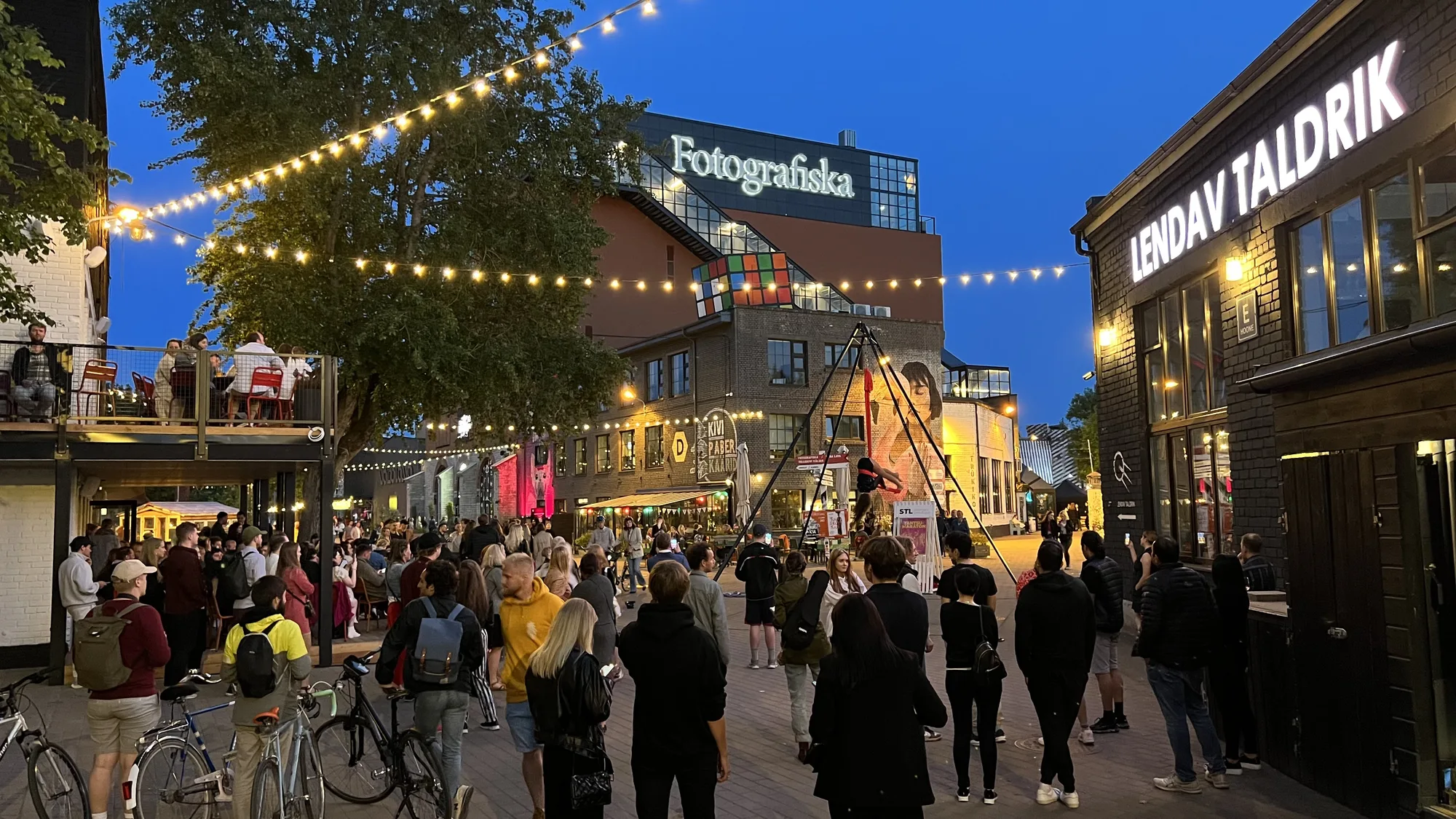
- Telliskivi: The creative district anchoring Kalamaja. A former factory complex turned into markets, street food, music venues, vintage shops, and one of the city’s most sociable squares on warm evenings.
- Rotermann Quarter: A compact cluster of converted limestone warehouses between Old Town and the sea. Modern restaurants, architecture offices, and design shops — five minutes from Viru Gate.
- Noblessner: The redeveloped former submarine factory on the northwest waterfront. Restaurants, contemporary galleries (Kai Art Center, PROTO Invention Factory), and a marina backdrop. Best at sunset.
- Pirita: Tallinn’s seaside suburb. Long sandy beach, 15th-century convent ruins, the TV Tower, and the Botanic Garden. A different, slower rhythm.
- Rocca al Mare: Open-air folk museum on the western edge of the city. 18th-century wooden farmsteads, a windmill, and the zoo next door. Best as a half-day cultural excursion.
- Nõmme: A pine-forest suburb in the south with a strong community feel, a weekend market, and unusually spacious wooden villas. Tallinn’s quietest, greenest corner.
The Old Town and Toompea: Where to Start (and When to Leave)
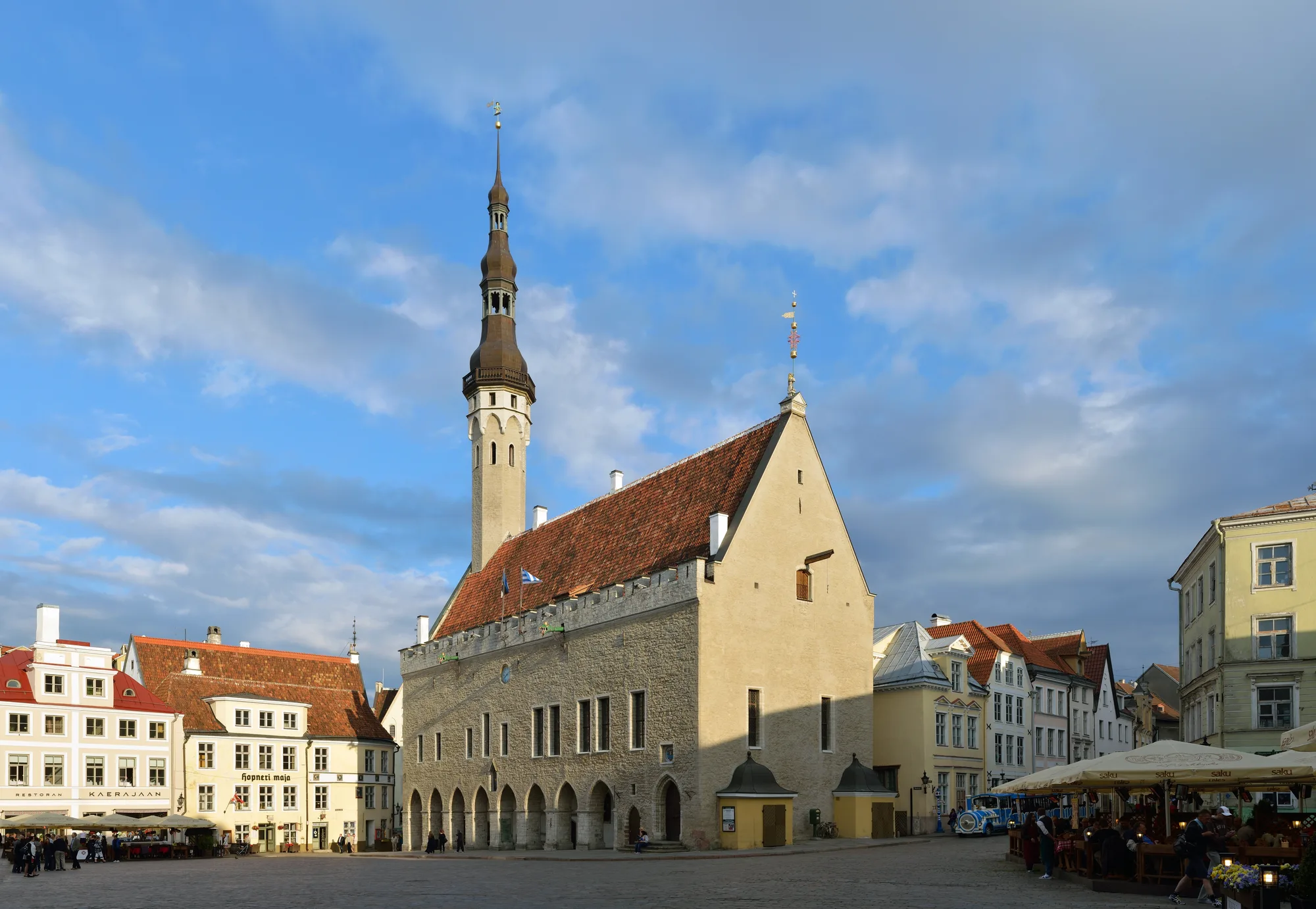
The Old Town — comprising the Lower Town and Toompea hill — is Tallinn’s UNESCO World Heritage core. Its medieval walls are among the best-preserved in Northern Europe, and wandering the lanes around Town Hall Square at dusk, when the light turns golden on limestone towers, is genuinely special.
The crowds follow a pattern. Tour groups from cruise ships typically arrive mid-morning and clear out by early evening. If you can do your main Old Town walk before 9 am or after 5 pm, you’ll feel like you have the cobblestones to yourself.
Toompea is underrated as a slow wander. Most visitors rush to the viewpoints and leave. But the streets around the Cathedral and along the old fortification walls reward slower exploration. The Danish King’s Garden, tucked beside Kiek in de Kök tower, is one of the most peaceful spots in the city center.
Sleeping inside vs. on the edge. Staying deep in the Old Town gives you the romance of medieval streets, but the busiest lanes can be noisy on summer evenings. The Old Town edge — near Viru Gate or Rotermann — gives you walkability without the evening crowd noise. For more: Best Areas to Stay in Tallinn.
Kalamaja and Telliskivi: The Creative Side of Tallinn
If the Old Town is Tallinn’s past, Kalamaja and Telliskivi are its present — the part of the city where locals actually spend their weekends. The neighborhood spreads northwest from the Balti Jaam railway station and is anchored by Telliskivi Creative City, a complex of former industrial buildings that now hosts cafes, design studios, a weekly flea market, street food vendors, and live music.
Why come here? The wooden architecture of Kalamaja is visually distinct from anything else in Tallinn. The timber houses, many painted in muted greens, yellows, and blues, have survived largely intact. Cafe and bakery culture here is excellent — this is where you find Tallinn’s coffee-serious morning spots and sourdough bakeries. The neighborhood’s flat streets and relaxed pace make it perfect for wandering without a plan.
Getting there: About 15 to 20 minutes on foot from Old Town, or a short tram ride. The Balti Jaam Market at the train station is a natural anchor — browse the stalls, then walk into Kalamaja from there.
Pair with: Noblessner is a 20-minute walk northwest from Telliskivi, making a Kalamaja–Telliskivi–Noblessner loop a very satisfying half-day route along Tallinn’s creative and waterfront arc.
Kadriorg: Parks, Palaces, and World-Class Art
Kadriorg is Tallinn’s most elegant neighborhood — a formal park surrounding a pale-pink Baroque palace, lined with leafy walking paths, home to three museums, and anchored at its far end by Kumu Art Museum, Estonia’s national art museum. It sits about 2 km east of the Old Town and is most easily reached by tram 1 or 3 (a 10-minute ride from the center).
The Kumu Art Museum, Kadriorg Art Museum (inside the palace), and the small Mikkel Museum are all within easy walking distance of each other, making Kadriorg the most natural museum-day destination in the city. Add the Kadriorg Japanese Garden for a meditative pause between galleries.
Kadriorg is genuinely good all year — the park is beautiful under snow in winter, the rose gardens are at their peak in June and July, and the museums provide indoor culture on any grey day. In summer, the park fills with families and picnickers, and the open-air cafe terraces are popular for long weekend lunches.
Give Kadriorg a half-day at minimum. Arrive by tram, visit Kumu or the Palace museum, walk through the park, and return to the center along the coast road if you have the energy — passing the Song Festival Grounds on the way.
The Waterfront: Rotermann, Noblessner, and the Sea
Tallinn has been actively reclaiming its Soviet-era waterfront over the past decade, and the result is a compelling arc of modern, sea-facing neighborhoods that feel very different from the medieval center.
Rotermann Quarter sits directly behind the ferry terminals, between the Old Town and the harbor. Limestone warehouses from the 19th century have been adapted into restaurants, offices, and design shops with contemporary insertions. The scale is human-friendly and very walkable — a good choice for a central base.
Noblessner is further along the coast, a 10 to 15 minute walk or short tram ride from Telliskivi. The former submarine factory has become a marina, contemporary art galleries (Kai Art Center, PROTO Invention Factory), restaurants with waterfront terraces, and one of the most pleasant sunset walks in the city. It pairs naturally with the Seaplane Harbour museum just along the coast.
Pirita is further east — Tallinn’s official beach neighborhood, about 20 minutes from the city center by bus. The beach is long and sandy, backed by pine trees. The Pirita Convent ruins and the Tallinn TV Tower are both nearby. Best suited for a dedicated beach or nature day rather than a main base.
Seasonal Notes: Which Neighborhoods Work Best When
Tallinn’s neighborhoods shift in feel significantly across seasons.
Summer (June to August): The whole city opens up. Long evenings — it barely gets dark in midsummer — make everything feel relaxed and social. Telliskivi and Noblessner come alive with outdoor terraces. Kadriorg park fills with families. Pirita and the beaches are genuinely swimmable in the warmest weeks (though water temperatures vary — check locally). The Old Town is busiest: plan early-morning walks there.
Spring (April to May) and early autumn (September to October): Often the most pleasant times to explore. Quieter crowds, cooler temperatures, and beautiful light. Kalamaja looks especially good when the trees are in leaf or turning. The cultural season — Jazzkaar in April, Tallinn Music Week in spring — brings energy to the creative districts.
Winter (November to March): The Old Town Christmas market in December is genuinely charming and worth the crowds. Outside the market season, winter Tallinn is quiet, cold, and atmospheric — Old Town looks beautiful under snow, and museum days in Kadriorg feel especially rewarding. Telliskivi’s indoor venues and cafes make the creative district comfortable in the coldest weather.
Practical tip: Tallinn’s tram and bus network makes navigating between neighborhoods easy in any weather. See Tallinn Public Transport Tickets for how validation and day passes work.
How to Choose Your Base
If you’re choosing where to stay:
- First time + want it easy: Old Town edge or city centre — close to everything, easy to navigate.
- Love modern design and good restaurants: Rotermann Quarter — five minutes from the Old Town with a contemporary feel.
- Love street art, cafes, and local energy: Kalamaja or Telliskivi — the most lived-in Tallinn experience.
- Want sea air and a marina setting: Noblessner — further from the medieval center but very atmospheric.
- Art lovers who want calm: Kadriorg — elegant and green, excellent for a multi-day stay.
- Beach holiday base: Pirita — best in summer, more isolated, needs bus or car.
Use Best Areas to Stay in Tallinn for a deeper breakdown with accommodation options.
Pairing Neighborhoods (How to Structure a Multi-Day Visit)
Tallinn rewards a simple pairing logic: choose one anchor neighborhood per half-day and let the walks connect them. These combinations flow particularly well:
- Day 1 classic: Old Town in the morning, Toompea viewpoints at midday, Rotermann lunch, Noblessner sunset walk.
- Day 2 culture: Kadriorg (Kumu and park) in the morning, tram back to Rotermann, Old Town evening.
- Day 3 local life: Balti Jaam Market in the morning, Kalamaja wander, Telliskivi lunch, Noblessner or Pirita afternoon.
For a two-day visit, compress: Old Town and Toompea morning, Kadriorg afternoon (day 1); Kalamaja and Telliskivi morning, Rotermann and Noblessner evening (day 2). For deeper planning, see Weekend in Tallinn and First Time in Tallinn.
Getting Around (Between Neighborhoods)
Tallinn’s center is walk-first — Old Town, Rotermann, and Telliskivi are all within a 20-minute walk of each other. For Kadriorg and Noblessner, trams make it simple.
- Tram 1 and 3: run east to Kadriorg from the center (about 10 minutes).
- Tram 2: runs along the Kalamaja and Telliskivi edge.
- Bus routes: reach Pirita, Rocca al Mare, and Nõmme.
- Tickets + validation: Tallinn Public Transport Tickets — validate on boarding, day passes are good value.
- No-car planning: Tallinn Without a Car
- Accessibility: Tallinn Accessibility Guide
- Arrivals: Cruise Port to Old Town · Ferry Terminals Guide
Neighborhood FAQ
Is the Old Town worth staying in? Yes — especially for first-timers who want the full medieval-city experience. Aim for the Old Town edge rather than deep inside; you get the atmosphere with less crowd noise on summer evenings.
Can I walk between all the neighborhoods? You can walk between Old Town, Rotermann, Kalamaja, Telliskivi, and Noblessner — these form a loose arc of about 4 to 5 km. Kadriorg is a 2 km walk east, easy on a fine day. Pirita, Rocca al Mare, and Nõmme are best by public transport.
Which neighborhood is best for a rainy day? Kadriorg — the museums (Kumu, Kadriorg Art Museum, Mikkel Museum) provide hours of indoor culture, and there are good cafes nearby. Telliskivi’s covered market and indoor venues also work well. See Rainy Day in Tallinn for a full plan.
Is Kalamaja far from the Old Town? About 1.5 to 2 km on foot (20-minute walk), or a short tram ride. Very manageable — most visitors fold it into a half-day without any effort.
Money, Costs, and Neighborhood Logistics
Estonia uses the euro (€). Card payment is universally accepted across all Tallinn neighborhoods — in cafes, restaurants, shops, and taxis. Cash is rarely needed anywhere in the city. ATMs are widely available in the Old Town and Rotermann area if you need cash for a market or smaller vendor.
Cost variation by neighborhood: Prices in the Old Town tend to be the highest in the city, reflecting the tourist density. Kalamaja, Telliskivi, and Kadriorg are noticeably more local-priced for coffee, food, and incidental purchases. Noblessner occupies a middle ground. If you are budget-conscious, eating and drinking outside the Old Town will stretch your money considerably further.
Accommodation pricing: Similarly, accommodation in the Old Town and Rotermann Quarter commands a premium. Staying a short walk away — in Kalamaja, for example — can offer better value while keeping you within easy reach of everything. See Cost of Travel in Tallinn for a fuller picture.
Walking distances: These are approximate, but useful for planning:
- Old Town (Viru Gate) to Rotermann: 5 minutes on foot
- Old Town (Viru Gate) to Telliskivi: 20 minutes on foot
- Old Town (Viru Gate) to Kalamaja: 20 minutes on foot
- Old Town (Viru Gate) to Noblessner: 35 to 40 minutes on foot
- Old Town to Kadriorg: 25 to 30 minutes on foot (or 10 minutes by tram)
- City center to Pirita: 20 to 25 minutes by bus
These distances make the central neighborhoods very walkable as a cluster, with trams covering the further reaches.
The Less-Visited Neighborhoods Worth Knowing
Beyond the well-known Kalamaja–Telliskivi–Kadriorg circuit, Tallinn has a few less-touristed neighborhoods that give a more layered picture of the city.
Nõmme in the far south is Tallinn's most suburban-feeling area — a garden suburb of villa-style wooden houses set among pine forests, built up in the early 20th century as a resort and later integrated into the city. The Nõmme market is one of Tallinn's most authentic, and the forested streets have a completely different atmosphere from the rest of the city. Worth a half-day if you are curious about how Tallinn's wealthier residents lived in the interwar period.
Rocca al Mare on the western coast is home to the Estonian Open Air Museum, the zoo, and long stretches of coastal path. It feels like a different city entirely — low-density, forested, and very quiet. Best visited in spring or summer when the outdoor museum is at its most atmospheric.
Pirita is Tallinn's official beach suburb, but it also has character beyond the beach: the Convent ruins, the TV Tower, the Botanic Garden, and a riverside walking path. If you have a full day to spare and want a completely different pace from Old Town tourism, a Pirita day is very rewarding.
The port area and Rotermann extension: The area immediately east of Rotermann, along the harbor promenade toward the ferry terminals, is developing rapidly. The industrial port buildings being converted, new restaurants opening, and a coastal walk that connects the Old Town waterfront to Noblessner (via Linnahall) is becoming one of the most interesting architectural and cultural zones in the city.
Map
Tap markers to open linked guides.
Scroll to load the map
Map data © OpenStreetMap contributors, served by OpenFreeMap.
In this section
Place
Tallinn Old Town
A deep dive into Tallinn’s UNESCO-listed Old Town: what to see, where to wander, viewpoints, cozy cafes, and how to experience it beyond the busiest lanes.
Place
Toompea (Tallinn’s Upper City)
Toompea is Tallinn’s “upper city”: viewpoints, historic power, and unforgettable panoramas over the Old Town.
Place
Kadriorg
Kadriorg is Tallinn’s elegant green neighborhood: park strolls, museum time at Kumu, and a calmer pace that feels like a reset from the Old Town.
Place
Kalamaja
Kalamaja is Tallinn’s cozy, creative neighborhood: wooden houses, local cafes, and a calm pace — perfect for slow mornings and design-minded wandering.
Place
Telliskivi
Telliskivi Creative City is Tallinn’s modern creative heart: street art, studios, shops, events, and a relaxed food scene — ideal for an afternoon and evening.
Place
Rotermann Quarter
Rotermann Quarter is Tallinn’s modern in-between: renovated industrial architecture, great access to Old Town and the waterfront, and a stylish base for city
Place
Noblessner
Noblessner is Tallinn’s modern waterfront: marina views, design-forward places, and a perfect sunset district — plus easy access to the Seaplane Harbour museum.
Place
Pirita
Pirita is Tallinn’s seaside escape: promenade walks, beach energy, and an easy place to breathe — plus nearby sights like the Pirita convent ruins.
Place
Rocca al Mare (Rocca al Mare / Haabersti)
Rocca al Mare is Tallinn’s fresh-air west side: seaside promenades, family-friendly parks, the Open Air Museum, and easy escapes that feel ‘out of town’
Place
Nõmme
Nõmme is Tallinn’s pine-forest neighborhood: local market mornings, quiet wooden-house streets, and a ‘small town inside the city’ feeling that’s perfect
