
Quick facts
- Best for
- Local-rhythm travelers; design lovers; couples who want calm wandering
- Good to know
- Do Kalamaja early, then build toward Telliskivi or the waterfront


Why People Love Kalamaja
Kalamaja has a lived-in charm: colorful wooden houses, small cafes, and streets that feel like a neighborhood, not a tourist zone.
It’s one of the best areas in Tallinn for a “slow travel” day: you can wander without a plan and still end up somewhere good.
The Kalamaja Signature: Wooden Houses + Calm Streets
Part of Kalamaja’s magic is simply walking: wooden-house streets, little gardens, and a quieter rhythm than the Old Town funnel.
It’s especially nice in the morning — do Kalamaja early, then let the day build toward Telliskivi or the waterfront.
Look closely at the houses as you go: many follow the so-called "Tallinn house" pattern of a stone stairwell flanked by symmetrical wooden apartments, painted in soft, faded colours and softened further by gardens and trees. There is no single must-see here — the pleasure is the cumulative effect of street after street of this quietly beautiful timber architecture, with cats on windowsills and the occasional café spilling onto the pavement.
What to Do
- Take a slow neighborhood walk.
- Stop for coffee (see Best Cafes in Tallinn).
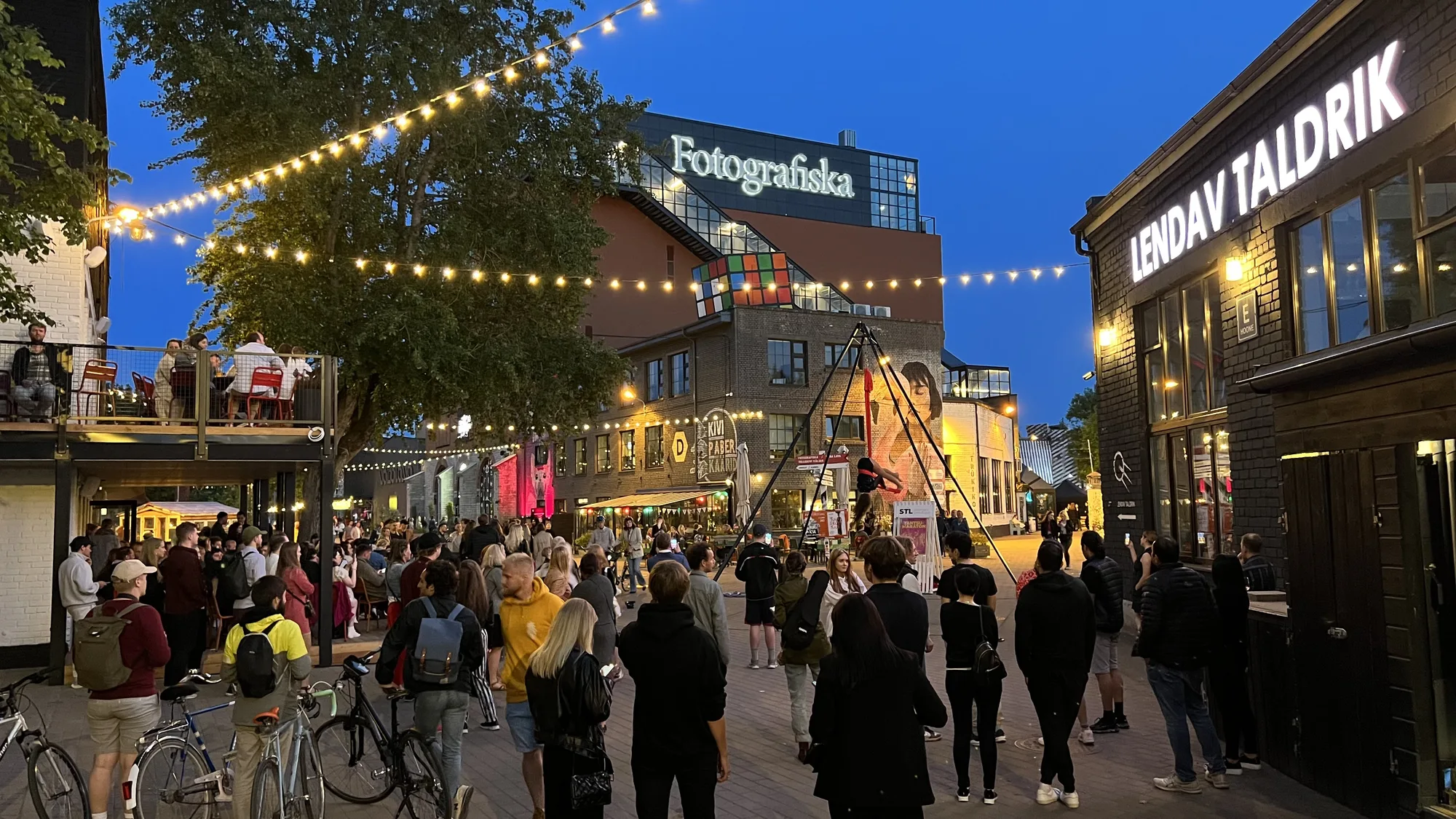
- Combine it with Telliskivi for street art and shops.
The beauty of Kalamaja is that it does not demand much of you. There is no entrance queue, no must-see interior, no schedule — just streets to wander, a bakery or café to settle into, and a calm that makes it the perfect counterweight to a busy sightseeing day.
A Simple Kalamaja Loop (That Feels Effortless)
A great low-stress sequence:
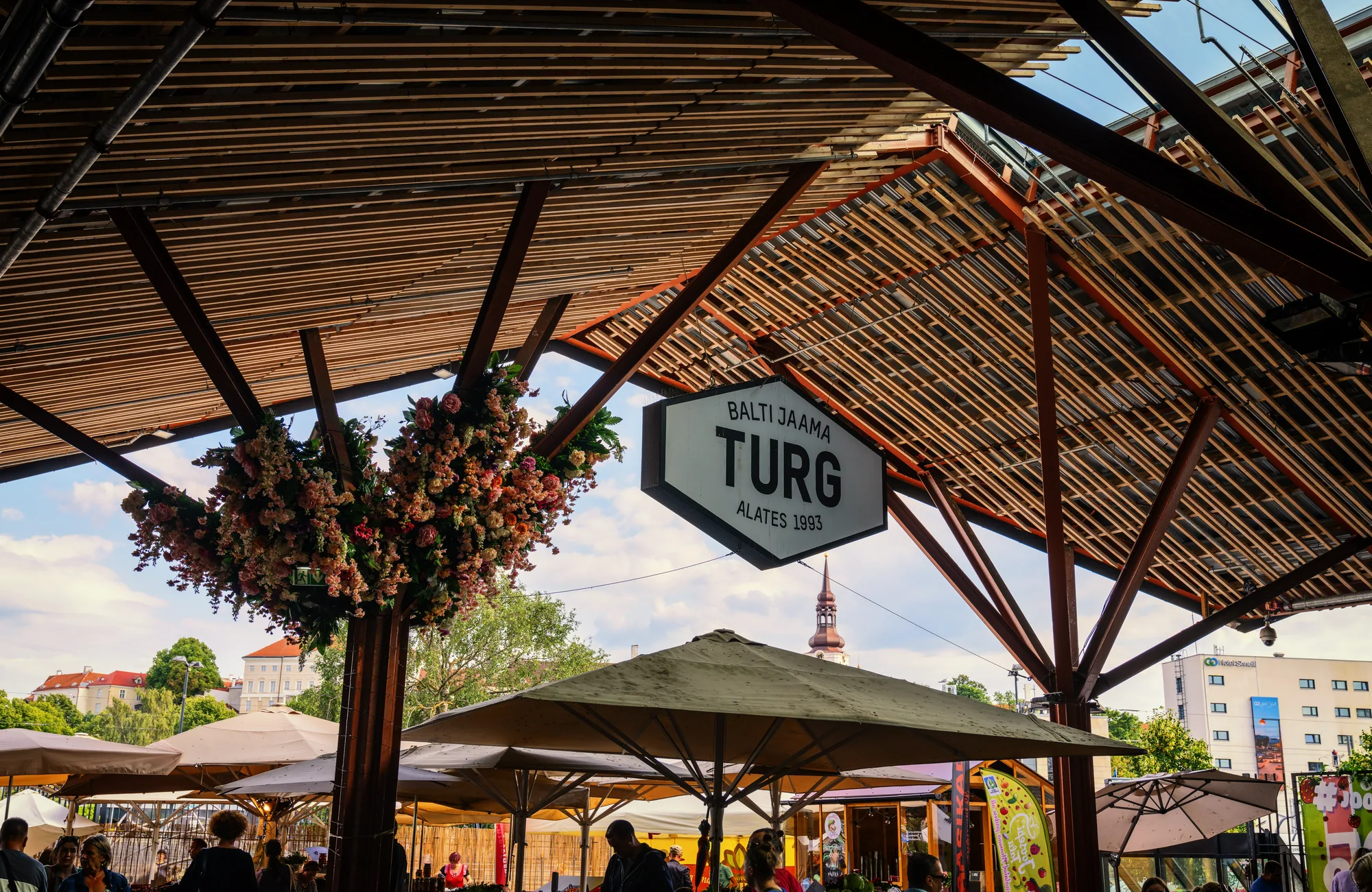
- Start at Balti Jaam Market
- Walk through Kalamaja streets
- Drift into Telliskivi for an afternoon anchor (shops + galleries)
- Finish by the sea in Noblessner at sunset
Add One Anchor (Museum / Market / Bakery)
If you want one “structured” stop so the day doesn’t feel vague:
- RØST Bakery for a slow start
- Fotografiska for a culture anchor
- Kalamaja Museum for neighborhood context
From Fishing Village to Wooden-House District
Kalamaja's name means "fish house" in Estonian, and the area began as a fishing and fishermen's settlement just outside the medieval walls. For centuries it was where the working life of the harbour spilled out beyond the Old Town.
Its character really took shape in the late 19th and early 20th centuries, when the railway and industry arrived and the neighbourhood filled with wooden apartment houses for workers — the distinctive timber buildings, often with a stone ground floor and wooden upper storeys, that still line the streets today. Through the Soviet era it became a quieter, somewhat run-down industrial fringe, which is partly why so much of the original wooden architecture survived intact rather than being redeveloped.
In recent decades Kalamaja has transformed again — into one of Tallinn's most sought-after and creative neighbourhoods, its old houses restored and its streets dotted with cafés, small shops and studios. That layered history is exactly what gives it such a lived-in, unpolished charm.
Practical Tips for Kalamaja
- Go in the morning. Kalamaja is at its most peaceful early, with soft light on the wooden facades and quiet streets — then let the day build toward Telliskivi and the waterfront.
- It's a residential area. Many of the wooden houses are people's homes, so wander and photograph considerately.
- Easy to reach. Kalamaja is a short walk or a couple of tram stops from the city centre, right beside the Balti Jaam Market and the Baltic Railway Station.
- Pair it up. It flows naturally into Telliskivi for street art and shops, and on toward the sea at Noblessner — making an easy half-day creative loop.
- Bring an appetite. The cafés and bakeries are a highlight; see Best Cafes in Tallinn for the neighbourhood's coffee culture.
Best For
- Travelers who like local rhythms.
- Design lovers.
- Couples who want calm, cozy wandering.
More Info
Go here next
 Go here nextNõmmeNõmme is Tallinn’s pine-forest neighborhood: local market mornings, quiet wooden-house streets, and a ‘small town inside the city’ feeling that’s perfectGo here nextBalti Jaam MarketBalti Jaam Market is a local favorite near Tallinn’s main station: food stalls, small shops, and everyday city energy.Go here nextStroomi Beach (Pelgurand)Stroomi is Tallinn’s easy, family-friendly city beach: a wide stretch of sand with a big park behind it, perfect for picnics, sea-air walks, and a low-effort
Map
Tap markers to open linked guides.
Scroll to load the map
Map data © OpenStreetMap contributors, served by OpenFreeMap.
Nearby
FAQ
What is Kalamaja known for?
Kalamaja is Tallinn's wooden-house district — a former fishing and workers' neighbourhood, now one of the city's most creative and sought-after areas, full of restored timber houses, cafes, small shops and a relaxed local rhythm.
Is Kalamaja worth visiting?
Yes, especially if you like slow, local-feeling wandering over big sights. A morning stroll among the wooden houses, a coffee stop, and a drift into Telliskivi and the waterfront make one of the most enjoyable low-key half-days in Tallinn.
How do I get to Kalamaja?
It is a short walk or a couple of tram stops from the city centre, right next to the Balti Jaam Market and the Baltic Railway Station. From the Old Town you can easily walk there in around 15 minutes.