Quick facts
- Cost
- Free; interior guided tours of the parliament free (advance booking)
- Hours
- Group guided tours Mon–Thu 10:00–15:00, Fri to 13:00 (book ahead); closed weekends
- Getting there
- On Toompea; loop from Freedom Square up to the castle area and viewpoints
- Best for
- An exterior + context stop – Tallinn's political and historical core
- Good to know
- Active parliamentary area – access rules can change; check Riigikogu info for interior visits





What Toompea Castle Represents
Toompea Castle has been a center of power in Estonia for centuries — and today it’s where the Riigikogu (Estonian Parliament) is based.
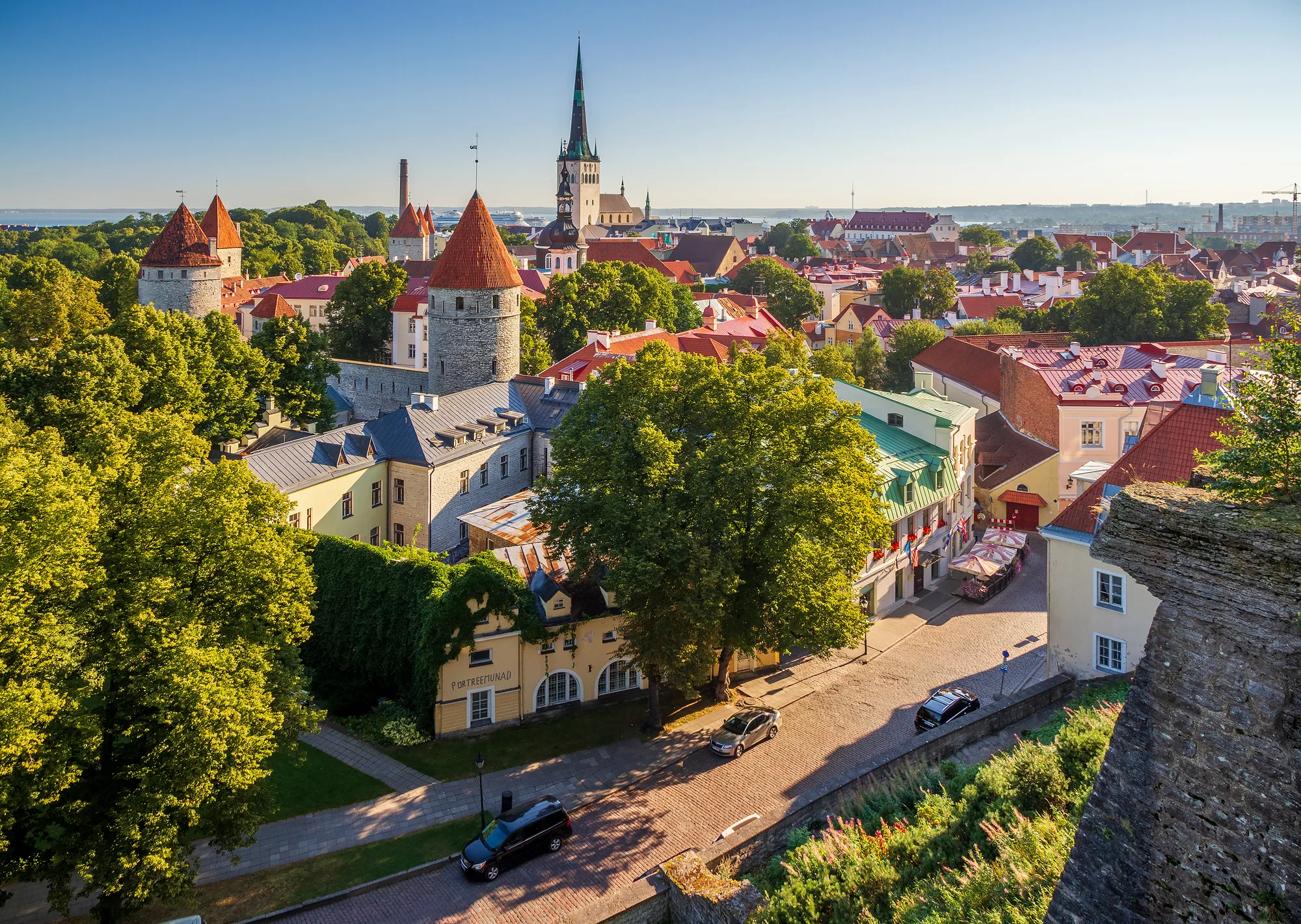
Even if you only see it from the outside, it adds real meaning to your Toompea walk: this isn’t just a pretty hill, it’s Tallinn’s political and historical core.
What You Can Actually Do Here
For most visitors, Toompea Castle is best enjoyed as an exterior + context stop:
- Walk past the castle complex and notice the mix of styles
- Look for the symbolic landmarks nearby (see Pikk Hermann Tower)
- Continue to viewpoints like Kohtuotsa and Patkuli
How to Build It Into Your Walk
A simple Toompea loop that flows well:
- Freedom Square → climb to Toompea → castle area → viewpoints → drift down to Old Town dinner
Nearby Stops
Combine with:
Practical Notes
Because this is an active parliamentary area, access rules can change. If you want an interior visit or a guided experience, check official Riigikogu visitor information in advance.
Centuries of Power on One Hill
Toompea has been the seat of whoever ruled Estonia for the best part of a thousand years. A fortress has crowned this limestone hill since at least the 13th century, when the Danes and then the Teutonic Order built here; over the centuries it passed through Danish, German, Swedish and Russian hands, and each ruler reshaped the castle to suit the era. That layering is exactly why the building looks like a patchwork of styles today.
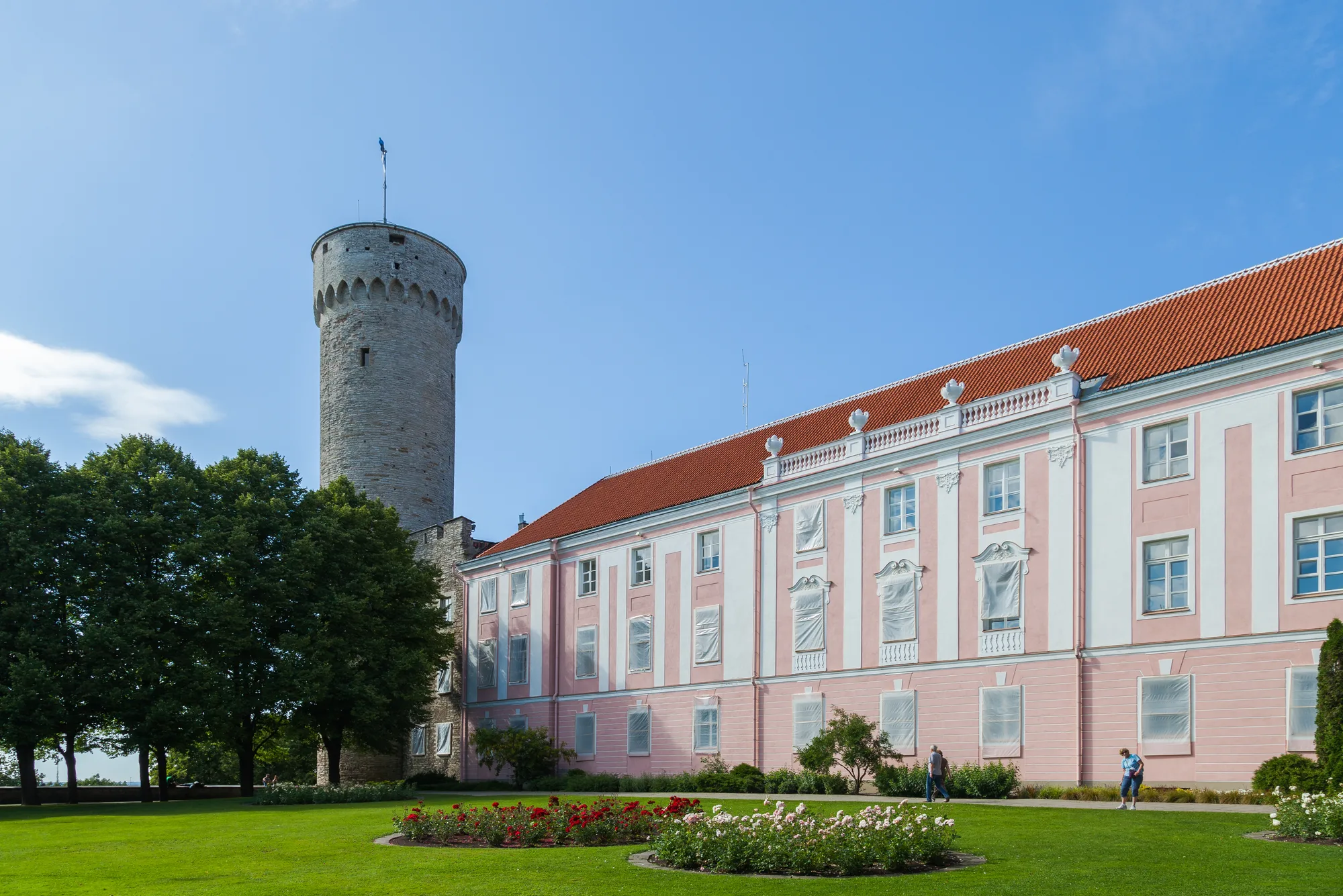
The most striking transformation is the pink Baroque façade you see from the Governor’s Garden side, added under Russian rule by Catherine the Great in the 18th century — a deliberately elegant statement of imperial power. Behind it, the medieval castle survives in places, most visibly in the tall watchtower at the southwest corner.
Since 1922 the castle has housed the Riigikogu, Estonia’s parliament, making it the working heart of the modern republic. When you stand here, you are at the literal high ground from which Estonia has been governed for centuries — a layered story of occupation, resilience and eventual independence.
Pikk Hermann and the Flag
The single most symbolic feature of Toompea Castle is Pikk Hermann (Tall Hermann), the slender medieval tower rising above the southwest corner. The Estonian flag flies from its top, and the daily raising of the flag at sunrise — accompanied by the national anthem — is one of the country’s quiet, powerful rituals.
During the Soviet occupation the flag that flew here was not Estonia’s, and the moment the blue-black-white tricolour returned to Pikk Hermann became a profound symbol of restored independence. Learning that backstory turns a simple photo of the tower into something far more meaningful. You can read more on the dedicated Pikk Hermann Tower page.
Who It Suits
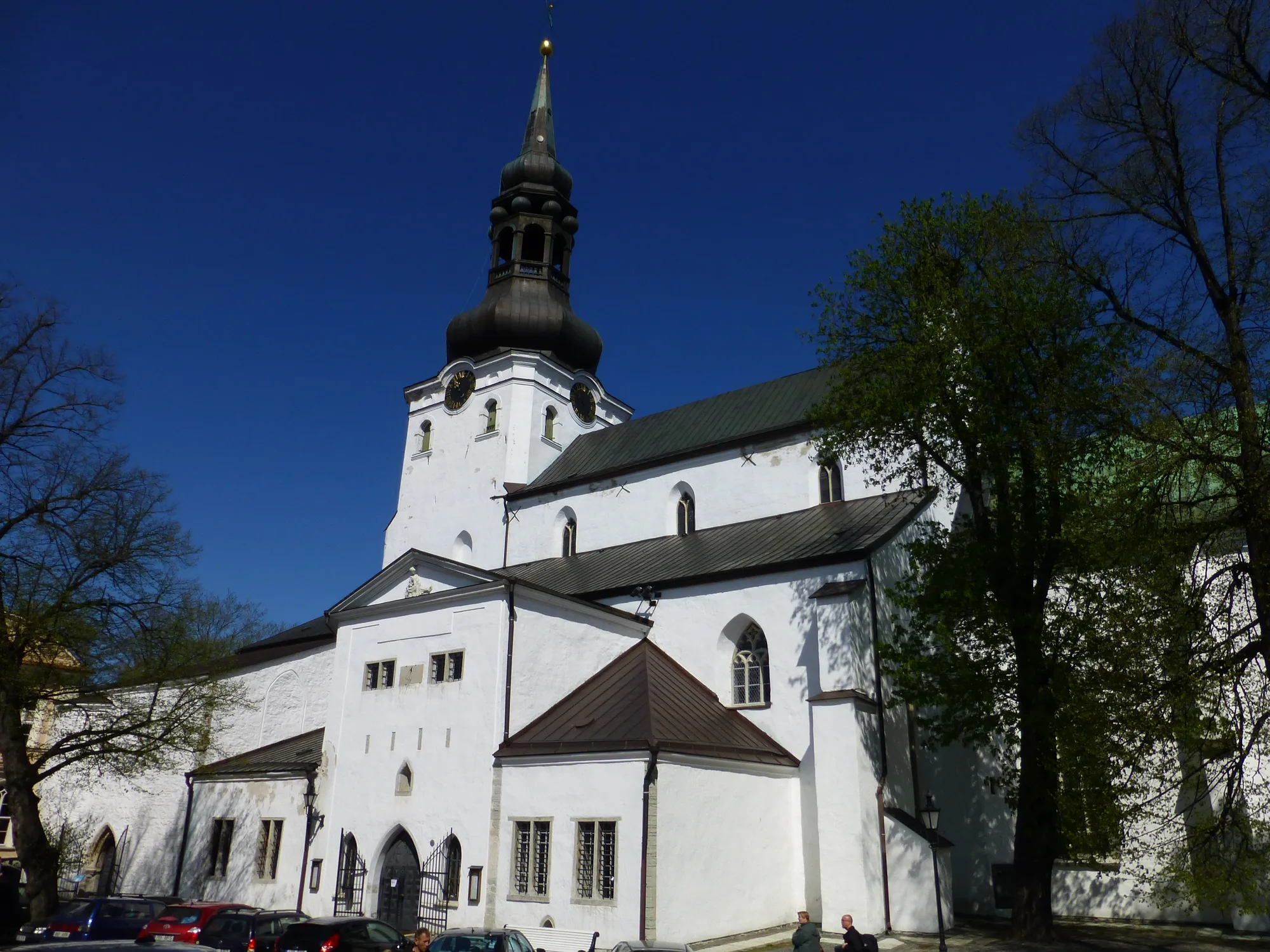
Toompea Castle suits history-minded travellers and anyone wanting to understand modern Estonia, not just admire medieval lanes. For most visitors it works as a free, ten-minute exterior-and-context stop slotted into a wider Toompea wander — admire the pink façade, find Pikk Hermann, then move on to the cathedrals and viewpoints close by. History enthusiasts who book ahead can join a free guided tour of the parliament on weekdays, which is the only way to see the interior and the debating chamber.
Go here next
 Go here nextToompea (Tallinn’s Upper City)Toompea is Tallinn’s “upper city”: viewpoints, historic power, and unforgettable panoramas over the Old Town.Go here nextAlexander Nevsky CathedralAlexander Nevsky Cathedral is one of Tallinn’s most striking landmarks on Toompea hill — a powerful architectural contrast against the medieval Old Town.Go here nextPikk Hermann TowerPikk Hermann is one of Tallinn’s most symbolic towers on Toompea — closely tied to Estonian statehood and best experienced as part of a Toompea walk
Map
Tap markers to open linked guides.
Scroll to load the map
Map data © OpenStreetMap contributors, served by OpenFreeMap.
Nearby
FAQ
Can you go inside Toompea Castle?
Only on a pre-booked guided tour of the parliament (the Riigikogu), usually offered on weekdays and free of charge. Since this is an active seat of government, you cannot simply walk in — most visitors enjoy it as an exterior-and-context stop. Check current Riigikogu visitor information before you go.
Why is Toompea Castle pink?
The elegant pink Baroque façade dates from the 18th century, added under Russian rule during the reign of Catherine the Great. Behind it the older medieval castle survives, which is why the building looks like a mix of architectural eras.
What is the tower on Toompea Castle?
That is Pikk Hermann (Tall Hermann), a medieval tower from which the Estonian flag flies. Its daily flag-raising at sunrise, with the national anthem, is an important national ritual and a powerful symbol of Estonian independence.
How does Toompea Castle fit into an Old Town visit?
It sits at the top of Toompea hill, so it pairs naturally with St. Mary’s Cathedral, Alexander Nevsky Cathedral, the Danish King’s Garden and the Kohtuotsa and Patkuli viewpoints. A good loop climbs up from Freedom Square, passes the castle, and drifts back down to the lower Old Town.