
Quick facts
- Cost
- Free to view; wall-walk towers ticketed (Hellemann €4; Nunna–Sauna–Kuldjala €5)
- Hours
- Tower walks roughly daily 11:00–18:00 in summer, shorter in winter
- Getting there
- In the Old Town; start at Viru Gate and end at the Patkuli viewpoint
- Best for
- Medieval fortifications, towers, and photogenic silhouettes




Why the City Wall Is Worth Noticing
Tallinn’s Old Town doesn’t just look medieval — it has a real defensive edge. The wall and towers give the city its structure and its silhouettes.
How to Experience It
Pair It With
City wall textures pair beautifully with:
- Instagrammable Places for photo routes
- Hidden Gems for quieter Old Town corners
A Little History
Tallinn’s wall is one of the best-preserved medieval town fortifications in northern Europe, and that is a big part of why the Old Town carries UNESCO World Heritage status. Construction began in the 13th century and continued for centuries as the city grew rich on Hanseatic trade across the Baltic Sea; at its peak the ring ran for roughly two kilometres with dozens of defensive towers, several gates and a deep moat.
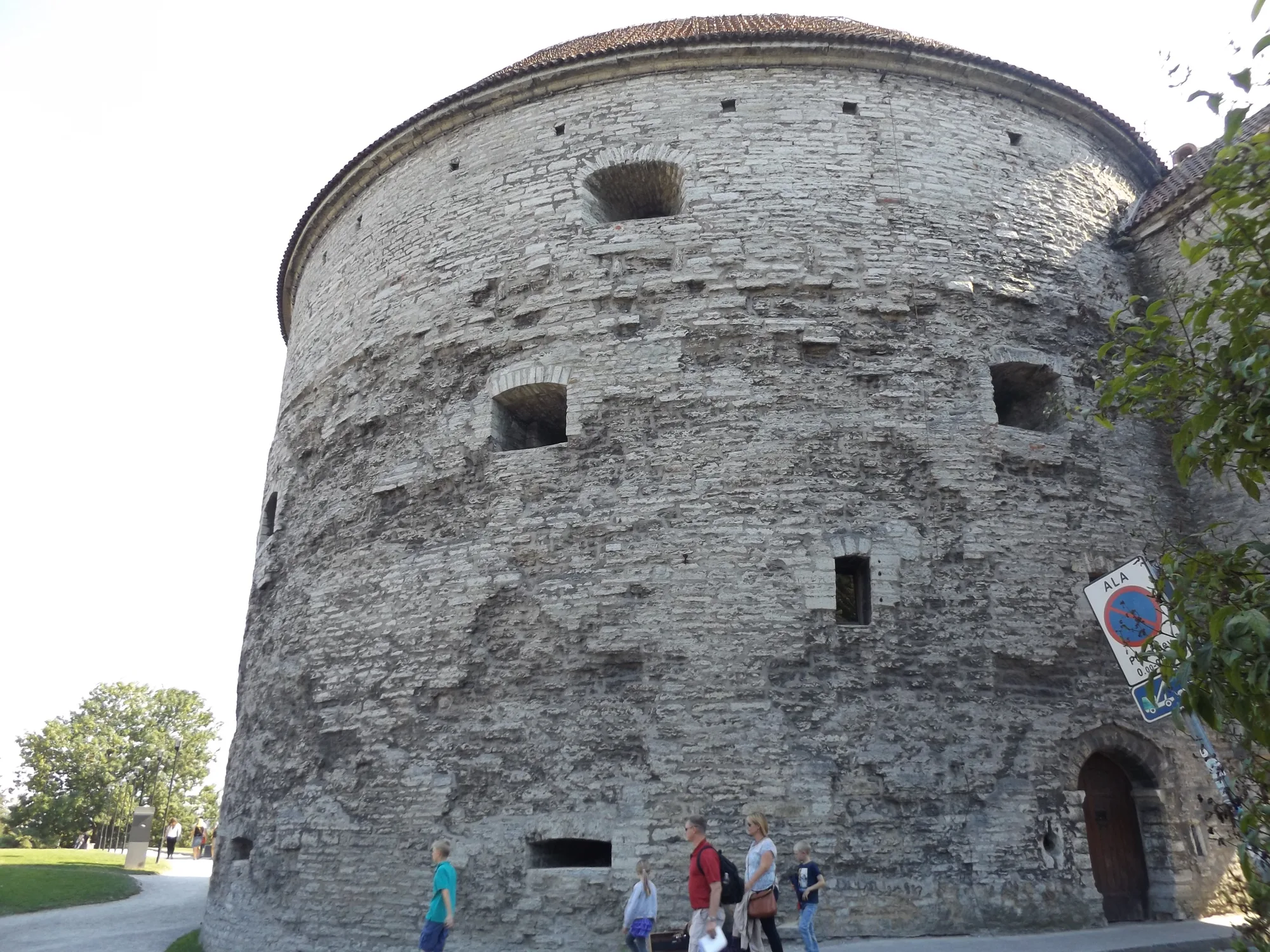
What survives today is still remarkable: a long stretch of wall walk, around twenty round-capped towers, and the iconic red-roofed silhouette you see from almost every viewpoint above the city. The towers each had a job — some guarded gates, some stored gunpowder, some watched the approaches from the sea — and a few have kept their original names and quirks, which is part of the fun of slowing down to read the plaques as you go.
The wall is also the reason Tallinn feels so contained and walkable. Because the medieval city had to fit inside its defences, the lanes stayed narrow and the buildings stayed close, and that density is exactly what makes the Old Town feel like a storybook today.
Where to See the Best Stretches
A few sections stand out if you want the most photogenic, atmospheric pieces of wall:
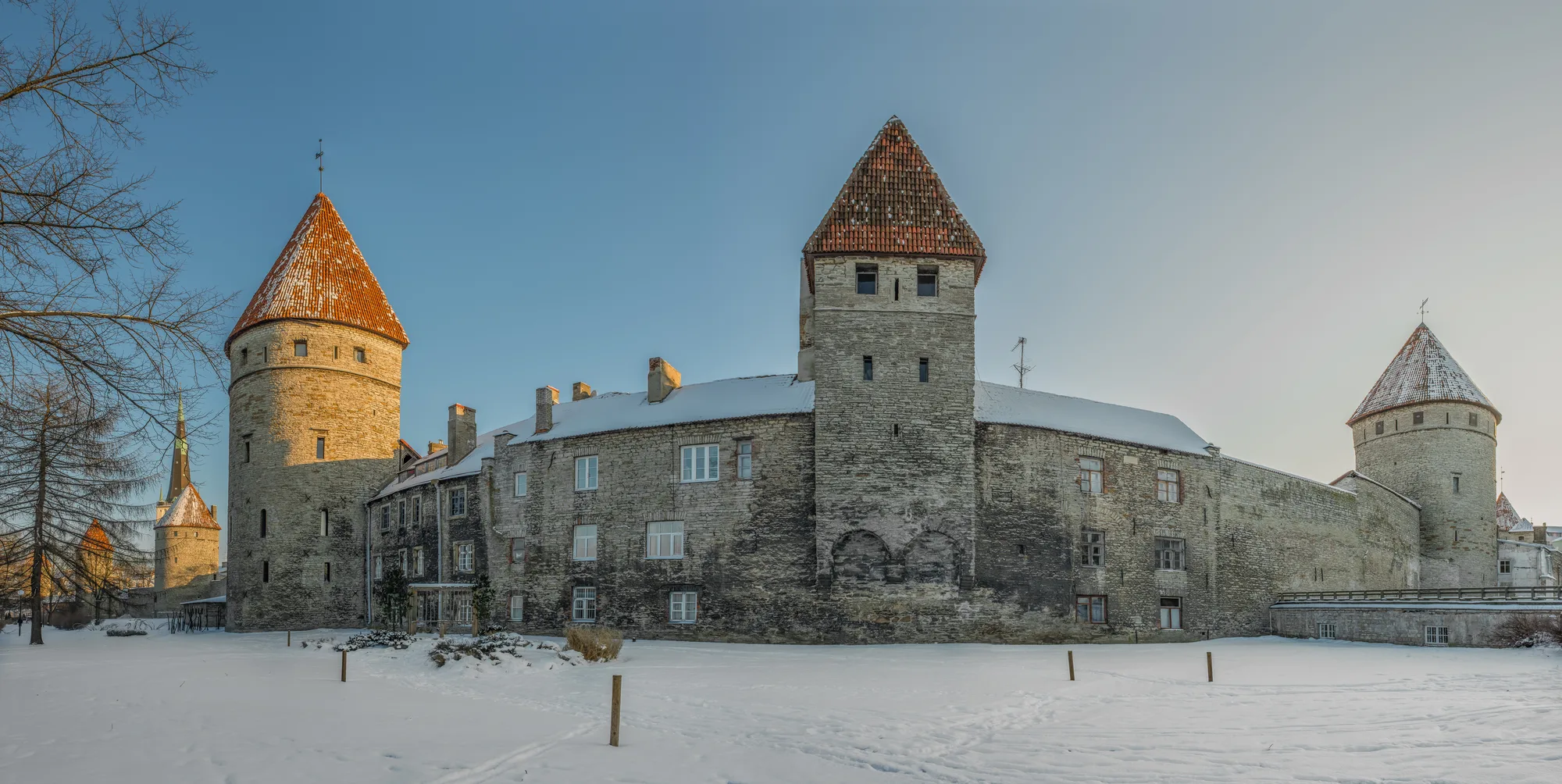
- The Towers Square (Tornide väljak) side, where a row of towers rises above a small park — the classic postcard angle, especially in late-afternoon light.
- The wall-walk towers near Nunna, Sauna and Kuldjala, where (with a ticket) you can climb up and walk a covered section of the rampart between towers.
- Hellemann Tower, which offers another ticketed walk along the wall and a close look at the construction.
- The approaches around Viru Gate, the most famous surviving gateway into the Old Town.
For elevated perspective looking back at the whole defensive line, the Patkuli viewing platform on Toompea is hard to beat — you get the towers, the rooftops and the spires in one frame.
Who It Suits
The wall rewards almost everyone, but it is especially good for first-time visitors building a sense of the city, photographers chasing that medieval skyline, and anyone interested in the layered story of Tallinn as a fortified Hanseatic port. Families enjoy the tower climbs (with care on the steep, uneven medieval stairs), while slow travellers can simply use the wall as a route to wander rather than a box to tick.
Because the exterior is free to enjoy at any hour, it also makes a lovely early-morning or after-dinner stroll, when the day-trip crowds have thinned and the lanes feel like they belong to you. Pair a quiet wall walk with the broader context of the Tallinn Old Town Walking Tour to understand what you are looking at.
Go here next
 Go here nextFreedom Square (Vabaduse väljak) + Victory ColumnFreedom Square is Tallinn’s modern civic heart at the edge of the Old Town — a spacious, open landmark anchored by the Victory Column and perfect for startingGo here nextTallinn Old TownA deep dive into Tallinn’s UNESCO-listed Old Town: what to see, where to wander, viewpoints, cozy cafes, and how to experience it beyond the busiest lanes.Go here nextViru GateViru Gate is one of Tallinn’s most iconic entrances into the Old Town — a perfect starting point for medieval wandering, photos, and a Town Hall Square loop.
FAQ
Can you walk on the Tallinn City Wall?
Yes, in places. While the exterior is free to admire and photograph at any time, a couple of ticketed sections let you climb the towers and walk a covered stretch of the rampart — the Nunna–Sauna–Kuldjala run and the Hellemann Tower walk are the best known. Check current hours and prices on site, as tower walks keep shorter winter schedules.
Is the Tallinn City Wall worth visiting?
Very much so. It is one of the best-preserved medieval town walls in northern Europe and a key reason the Old Town is a UNESCO World Heritage Site. Even without a ticket, simply walking the lanes beside the fortifications and ending at a viewpoint gives you a real sense of medieval Tallinn.
How much of the original wall remains?
A substantial amount: a long stretch of wall and around twenty towers survive from the medieval ring that once circled the city for roughly two kilometres. The red-roofed towers you see from almost every viewpoint are the most recognisable remnants.
What is the best viewpoint of the city wall?
The Patkuli viewing platform on Toompea gives the most dramatic view of the long defensive line, towers and rooftops together. The small park at Tornide väljak (Towers Square) is the best ground-level angle for the classic row-of-towers photo.