
Quick facts
- Hours
- Reopened 14 June 2026 as the International Museum for the Victims of Communism (first phase); check official hours before visiting
- Getting there
- Near Noblessner; build a waterfront day with Seaplane Harbour
- Best for
- History and reflection; may feel too intense for kids
- Good to know
- The memorial museum's first phase opened on 14 June 2026; further parts of the complex are still being developed, so check the official site for current access




What Patarei Feels Like
Patarei is not a light stop — it’s a place for history and reflection. If you’re drawn to layered city stories, it’s worth including with care.
A Little Context (Why It’s So Heavy)
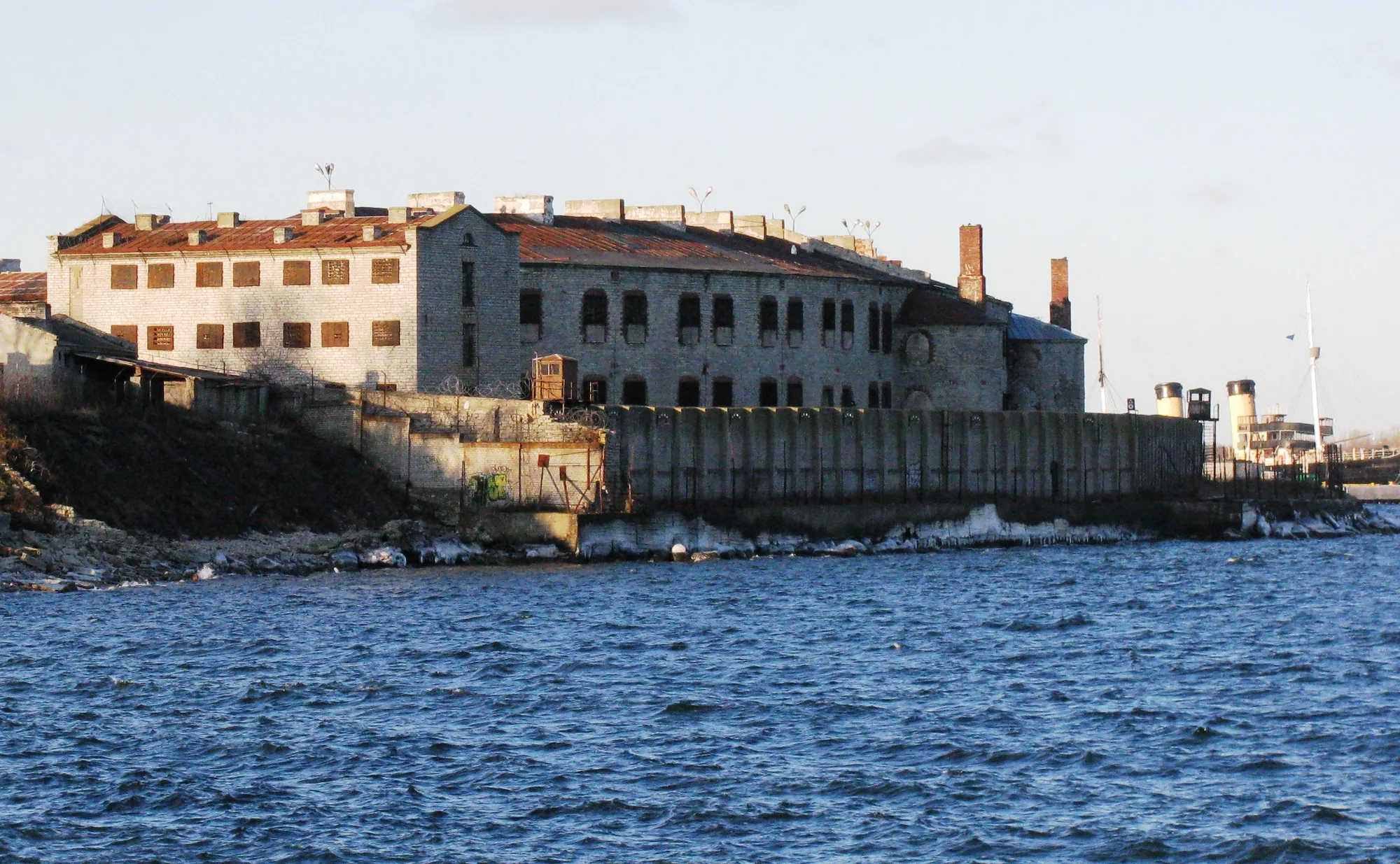
Patarei began as a sea fortress and later functioned as a prison. Today, parts of the complex are being opened as a memorial/cultural site — which is why the visit can feel intense.
If you’re sensitive to darker history, plan a lighter activity afterwards (sea walk, cafe, or an art stop).
Pair It With a Waterfront Day
Build a coherent day:
- Seaplane Harbour → Patarei → sunset in Noblessner
Practical Notes
Access and opening arrangements can change as the site evolves. Check official information before you go, and follow signage on restricted areas.
A Small Note
Opening arrangements and access can change over time, so it’s worth checking official information before visiting.
More Info
- Official site: https://patareiprison.org/en/
- Background (Wikipedia): https://en.wikipedia.org/wiki/Patarei_Prison
From Sea Fortress to Soviet Prison
Patarei is a sprawling fortress complex on the Tallinn waterfront, built in the 1830s and 1840s under the Russian Empire as a coastal artillery battery to defend the harbour — the name itself comes from the word for battery. Its long, low, classical lines stretch along the shore between the Old Town and the modern Noblessner marina district.
Its military purpose did not last, and from the early 20th century onwards the complex was converted into a prison. It is its 20th-century role that gives Patarei its heavy reputation: through Estonia’s years of occupation it served as a place of imprisonment, interrogation and execution, first under various regimes and most infamously under the Soviet system. It remained a working prison until the 2000s, and walking its corridors today you can still feel the layers of that grim history.
Now the site is being developed as a memorial and museum to the victims of communism and the crimes of totalitarian regimes, which is why a visit is sombre and reflective rather than a casual sightseeing stop.

What to Expect on a Visit
Patarei is not a polished, comfortable museum — and that rawness is the point. Expect peeling paint, bare cells, exercise yards and a powerful sense of place that conveys the reality of imprisonment far more directly than any reconstruction could.
A few things to keep in mind:
- The subject matter is heavy: themes of imprisonment, repression and execution.
- Parts of the complex have undergone phases of opening, closure and renovation over the years, so access and opening arrangements change — so a quick look at the current status on the official site before you go never hurts.
- Plan a lighter activity afterwards to decompress: a sea walk, a coffee, or an art stop.
- For a fuller picture of Estonia’s occupation history, pair the visit with the Vabamu Museum of Occupations and Freedom or the KGB Prison Cells in the city centre.
Who It Suits
Patarei suits travellers drawn to difficult, important history and to understanding the full arc of Estonia’s 20th century — not just its medieval beauty. It is well placed for a waterfront history day, sitting between the Seaplane Harbour maritime museum and the cafés and galleries of Noblessner.
It is generally not a good fit for young children, and even adults who are sensitive to dark history should pace themselves and plan something gentle for afterwards. The museum is still opening in phases, so check current hours and which areas are accessible before you travel.
Go here next
 Go here nextTallinn Old TownA deep dive into Tallinn’s UNESCO-listed Old Town: what to see, where to wander, viewpoints, cozy cafes, and how to experience it beyond the busiest lanes.Go here nextSeaplane Harbour (Maritime Museum)Tallinn’s Seaplane Harbour is a standout maritime museum in a spectacular hangar setting — perfect paired with a modern waterfront afternoon in Noblessner.Go here nextAlexander Nevsky CathedralAlexander Nevsky Cathedral is one of Tallinn’s most striking landmarks on Toompea hill — a powerful architectural contrast against the medieval Old Town.
Map
Tap markers to open linked guides.
Scroll to load the map
Map data © OpenStreetMap contributors, served by OpenFreeMap.
Nearby
FAQ
Is Patarei appropriate for kids?
For many families, it may feel too intense. Consider a waterfront day instead (Seaplane Harbour + Noblessner + Pirita), or choose a lighter museum like PROTO or the Energy Discovery Centre.
What is Patarei Prison?
It is a 19th-century sea fortress on the Tallinn waterfront, built as a coastal artillery battery and later converted into a prison. Through the 20th century it became a place of imprisonment and execution, most infamously under the Soviet system, and it is now being developed as a memorial to the victims of communism.
Can you visit Patarei Prison?
Yes. After years of phased renovation, the first stage of the International Museum for the Victims of Communism opened here on 14 June 2026. Further parts of the complex are still being developed, so check the official site for current hours and access, and follow signage around any restricted areas.
What should I pair with a visit to Patarei?
Build a coherent waterfront day: combine it with the Seaplane Harbour maritime museum nearby and a sunset walk in Noblessner. Because the subject is heavy, plan a lighter activity afterwards to decompress.