
Quick facts
- Cost
- Adults €10; student/concession €8; family €20 (free with Tallinn Card)
- Hours
- May–Sep daily 10:00–18:00; Oct–Apr Wed–Sun 11:00–18:00
- Getting there
- At Pagari Street, on the Old Town edge
- Best for
- Travelers wanting deep modern, Soviet-era historical context
- Good to know
- Emotionally heavy – approach it to learn and reflect, not as a quick stop





What It Is
This is a focused, emotionally heavy museum experience connected to Estonia’s Soviet-era history. It’s best approached as a place to learn and reflect, not a quick curiosity stop.
Why Visit
If you want Tallinn beyond medieval beauty — if you want modern historical context — this is one of the strongest places to go.
For a broader modern history museum experience, pair with Vabamu. If you want a guided “Cold War layer” in the city centre, consider KGB Museum (Hotel Viru).
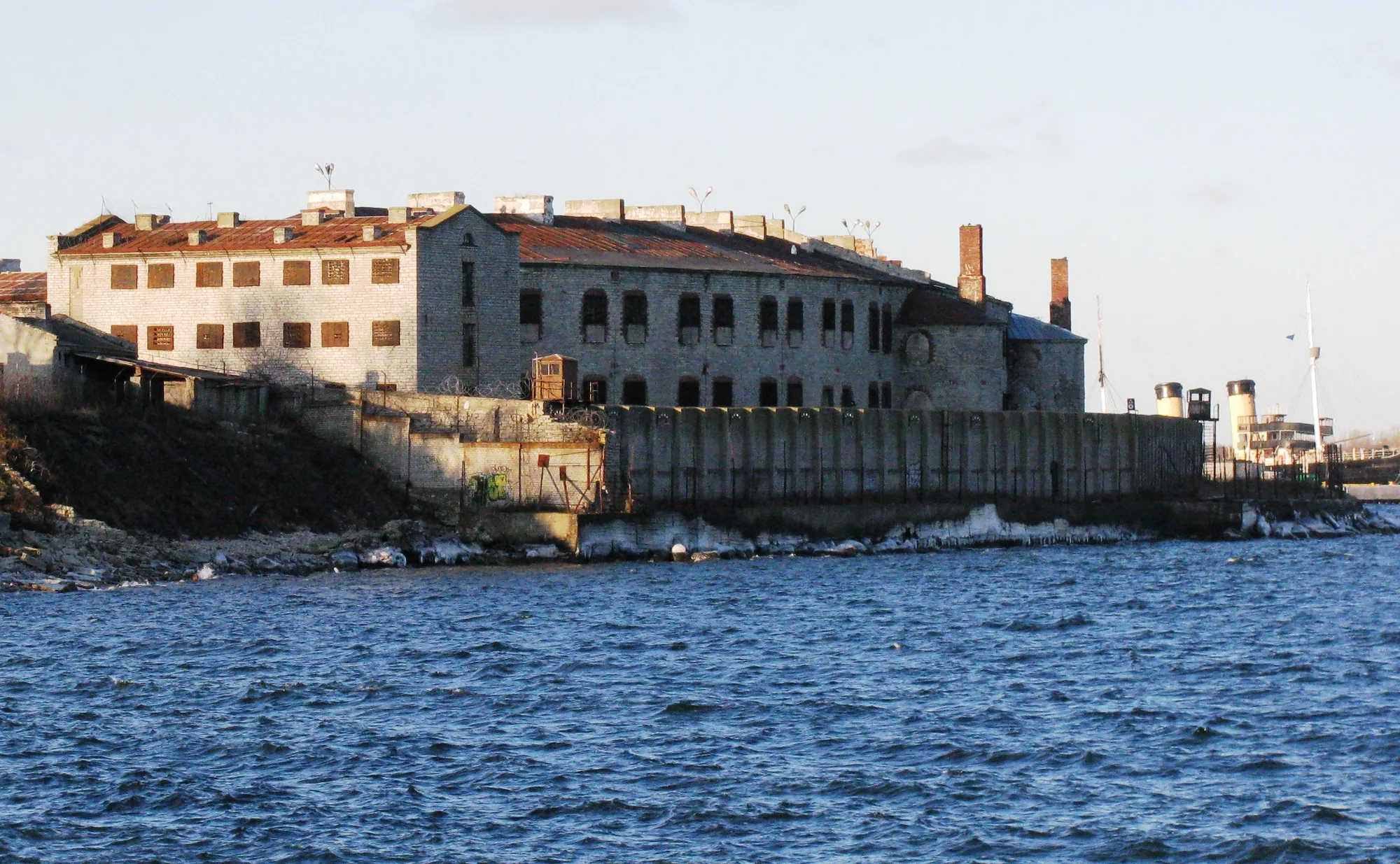
How to Fit It Into Your Day
Don’t stack heavy stops back-to-back. A good rhythm is:
- Museum visit → quiet walk → warm cafe
For a calming reset route afterward, use Walking Routes.
Official Info
For current opening hours, tickets, and visitor notes, check Vabamu’s information page for the KGB Prison Cells:
Inside the Pagari Street Building
The KGB Prison Cells occupy the basement of the building at Pagari 1, on the edge of the Old Town, which served as the headquarters of the Soviet security services — the NKVD and later the KGB — in occupied Estonia. It was here that people were detained, interrogated and held during some of the darkest decades of the 20th century.
The cells have been preserved largely as they were, and that authenticity is what gives the place its power. The cramped rooms, the bricked-up windows and the original details are a direct, unfiltered confrontation with the reality of repression — far heavier and more specific than a conventional museum display. Locals long knew the building by its grim reputation; the windows on the ground floor were famously sealed.
It is run by the same organisation as the Vabamu Museum of Occupations and Freedom, and together the two sites give the fullest possible understanding of Estonia’s experience of occupation.
What to Expect on a Visit
Approach this as a place to learn and reflect, not a quick curiosity stop:
- Preserved basement cells and corridors of the former NKVD/KGB headquarters.
- Exhibition material on surveillance, interrogation, deportation and repression in Soviet Estonia.
- A small but intense experience — it does not take long, but it stays with you.
- A natural pairing with Vabamu for context, though it is best not to stack the two heavy sites without a break.
Who It Suits
The KGB Prison Cells suit travellers who want to understand the hardest chapters of Estonia’s 20th century directly and authentically — those drawn to serious, important history rather than light sightseeing. For visitors trying to grasp what occupation actually meant, it is one of the most affecting places in the city.
Because the content is emotionally heavy, it is generally not suited to young children, and even adults should pace themselves: follow it with a quiet walk and a warm café rather than another intense site. For a less raw but related experience, the guided KGB Museum at Hotel Viru covers the surveillance theme from a different angle.
It is a short visit in terms of time, but it carries real weight, and many travellers find it among the most memorable and important stops of their whole trip. Approached with the seriousness it deserves, it leaves you understanding modern Estonia far more deeply than the medieval Old Town alone ever could.
Go here next
 Go here nextTallinn City MuseumTallinn City Museum is a great ‘context’ museum for first-time visitors — a clear way to understand the city’s timeline beyond the Old Town postcard lanes.Go here nextGreat Guild Hall (Estonian History Museum)The Great Guild Hall is one of the most impressive medieval interiors in Tallinn — a Hanseatic-era merchant building that adds real depth to any Old Town walk.Go here nextKGB Museum (Hotel Viru)The KGB Museum at Hotel Viru is a guided visit into Tallinn’s Cold War layer — a behind‑the‑scenes look at surveillance history in the city’s most famous
Map
Tap markers to open linked guides.
Scroll to load the map
Map data © OpenStreetMap contributors, served by OpenFreeMap.
Nearby
Tallinn in Winter
0.1 km away
Best Viewpoints in Tallinn
0.1 km away
St. Olaf’s Church
0.1 km away
Estonian Museum of Natural History
0.1 km away
LEE (Modern Estonian Restaurant)
0.1 km away
Free Things to Do in Tallinn
0.1 km away
Estonian Health Museum
0.2 km away
Tallinn With Kids (A Calm Family Guide)
0.2 km away
FAQ
What are the KGB Prison Cells in Tallinn?
They are the preserved basement cells in the building at Pagari 1 on the edge of the Old Town, which served as the headquarters of the Soviet NKVD and later KGB in occupied Estonia. People were detained and interrogated here, and the authentic cells are now a museum of repression.
Is the KGB Prison Cells visit suitable for children?
Generally no. The subject matter is emotionally heavy, dealing with detention, interrogation and repression, so it is best suited to adults and mature older teenagers. Pace the day and follow it with something lighter.
How is it different from the KGB Museum at Hotel Viru?
The KGB Prison Cells are a raw, authentic, site-specific experience in the former interrogation building. The KGB Museum at Hotel Viru is a guided, more story-driven tour about Cold War surveillance on the hotel’s upper floor. They cover related themes from different angles.
Where are the KGB Prison Cells?
At Pagari 1, on the edge of the Old Town near the city centre. They are run by the same organisation as the Vabamu Museum of Occupations and Freedom, which together give the fullest picture of Estonia’s occupation history.