
Quick facts
- Best for
- Design-forward stays in Old Town, Rotermann or Kalamaja/Telliskivi
- Good to know
- Check room size, street noise and stairs vs elevator before booking


Where Boutique Works Best
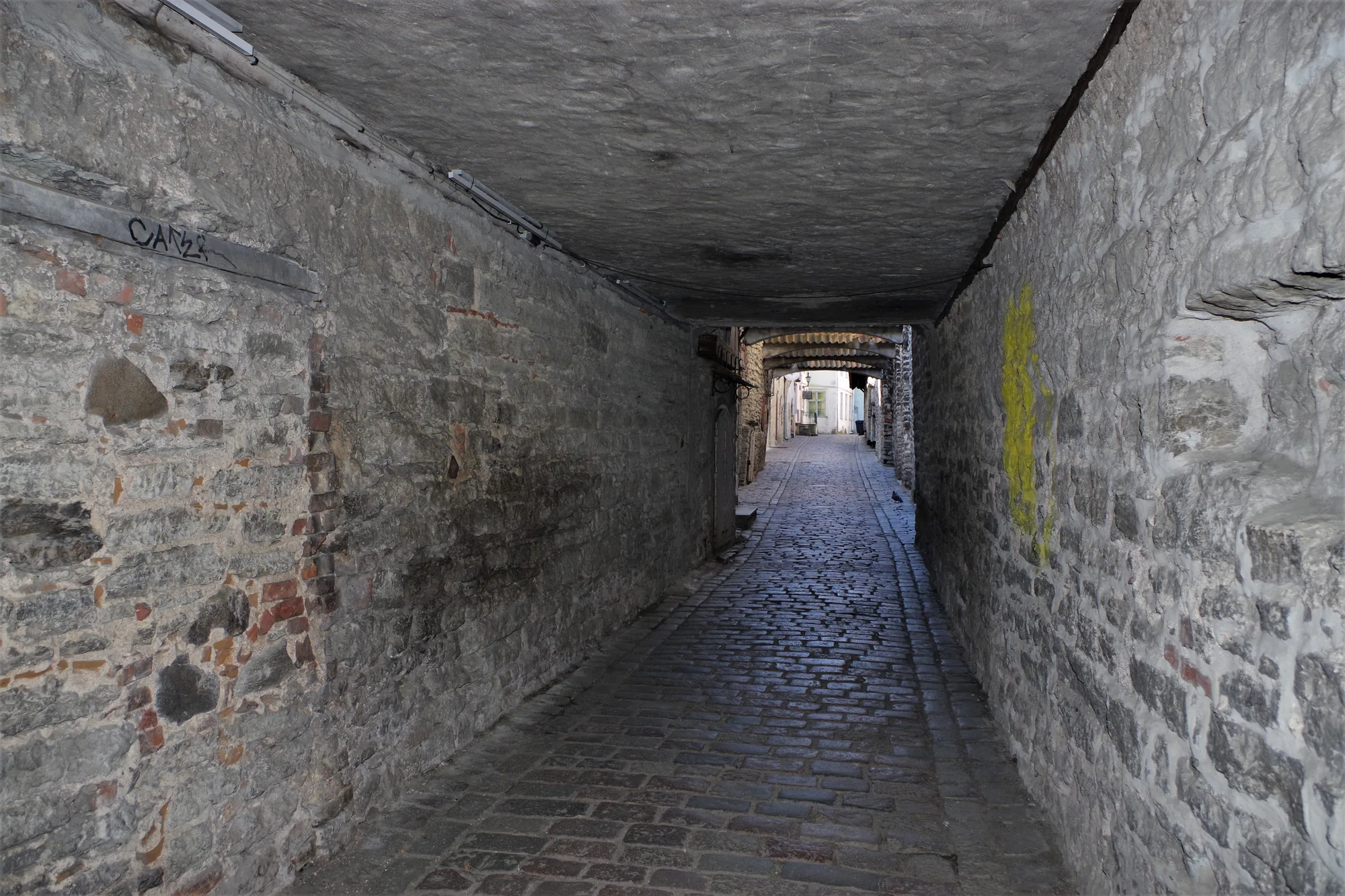
- Old Town: history, stone walls, and romantic atmosphere.
- Rotermann: modern architecture and polished comfort.
- Kalamaja/Telliskivi: creative, local energy and cafes nearby.
See neighborhood details: Neighborhoods in Tallinn.
What to Check Before Booking
- Room size (some Old Town buildings are compact).
- Noise (street-level rooms can be lively).
- Stairs vs elevator.
A boutique stay is best when it feels intentional — small but well-designed.

Pair Boutique Stays with Boutique Days
If your hotel is about texture and design, make your itinerary match:
- Old Town wandering + viewpoints
- A museum day in Kadriorg
- A creative afternoon in Telliskivi
What “Boutique” Actually Means in Tallinn
Tallinn is a small capital, and that scale shapes what a boutique hotel can be. Most of the city’s standout small stays fall into a few honest categories — and knowing which one you’re booking saves you from a mismatch.
- Medieval-shell conversions. The Old Town is full of merchant houses, former warehouses, and guild buildings turned into intimate hotels. The selling point is character: vaulted cellars, exposed limestone, timber beams, and rooms where no two are alike. The trade-off is that historic buildings rarely have big lifts, heavy soundproofing, or large bathrooms.
- Design-led contemporary hotels. In Rotermann Quarter and around the centre you’ll find smaller hotels that lead with architecture, lighting, and a strong front-desk-meets-cafe feel. These tend to be more comfortable and predictable than the medieval conversions.
- Creative-district guesthouses. Around Kalamaja and Telliskivi, “boutique” often means a handful of rooms above a cafe or in a converted wooden house — relaxed, local, and walkable to the city’s best casual food.
The word gets used loosely, so read what a place actually offers rather than the label. A genuine boutique stay reads as personal and considered; a chain dressed up as boutique usually shows itself in the photos.
Which Neighbourhood Fits Your Trip
Where you sleep changes the rhythm of a Tallinn visit more than the star rating does.
- Old Town — most atmospheric, most central for first-timers, and the easiest place to step straight into the medieval city in the morning. Expect cobblestones (hard on wheeled luggage), some evening noise near bars, and compact rooms.
- Rotermann & city centre — modern, polished, and a short flat walk to both the Old Town and the ferry terminal. The pick if you want comfort and easy transport over storybook charm.
- Kalamaja / Telliskivi — local, creative, and full of cafes; quieter at night than the Old Town and close to the seafront. Best for repeat visitors and travellers who want neighbourhood life over landmarks.
- Kadriorg — leafy, calm, and elegant, near the palace, park, and Kumu. A lovely base for a slower, museum-and-park trip, though it’s a tram ride from the Old Town.
Use Best Areas to Stay in Tallinn to match the area to your trip, and the Neighborhoods in Tallinn guide for the full character of each.
How to Choose a Boutique Hotel (Without Regrets)
Small hotels reward a little extra reading before you book. A few things matter more here than in a big chain:
- Room location within the building. In converted houses, a courtyard- or garden-facing room is usually much quieter than one over the street.
- Access. Ask directly about lifts and stairs if you have heavy bags or mobility needs — many Old Town buildings are protected and can’t add modern lifts.
- Breakfast. Some boutique stays include a genuinely good breakfast; others expect you to wander out to a cafe. Either is fine, but know which before you arrive (see Best Breakfast in Tallinn).
- Seasonality. Summer and the Christmas market weeks are peak; rates rise and the best small rooms sell out early. Spring and autumn often give you the same charm for less.
For a sense of nightly rates and overall costs, read Cost of Travel in Tallinn and Money in Tallinn before you compare — and it’s worth confirming current rates with the property, as they move with the season.
Getting the Most From a Small Hotel
The whole point of a boutique stay is that the hotel becomes part of the trip rather than just a place to sleep, so it pays to lean into what these places do well. Small hotels in Tallinn are usually run by people who care about the building and the guest experience, which means the front desk is often the single best source of local advice you will find. Ask where they eat, which lanes are quietest in the early morning, and what is on in the city while you are there; the answers tend to be far more useful than a generic listings site.
It also helps to slow down. A boutique hotel rewards a guest who lingers over breakfast, comes back for an afternoon rest between sights, and treats the lounge, courtyard, or cellar bar as somewhere to actually spend time. Tallinn is compact enough that you can build your days around your hotel: a morning in the Old Town, a long lunch, a quiet hour back at the room, then a museum or a sauna in the late afternoon. If you are visiting in the colder months, a hotel with a warm lounge, a small spa, or a sauna genuinely changes the feel of the trip, turning a grey afternoon into one of its highlights. Pair the stay with the right kind of day using Things to Do in Tallinn and, for evenings, Romantic Places in Tallinn.
The Bottom Line
Booked well, a boutique hotel becomes one of the most memorable parts of a Tallinn trip rather than just a bed for the night. Decide first on the experience you want — medieval atmosphere, modern comfort, or creative-district calm — then choose the neighbourhood that delivers it, and only then compare individual properties. Read the small print on room size, noise, stairs, and breakfast, book early for the busy seasons, and you will end up somewhere that feels personal and considered. In a city this compact and characterful, the right small hotel quietly raises the whole visit.
Go here next
 Go here nextRomantic Hotels in TallinnLooking for a romantic hotel in Tallinn? Here’s how to choose: Old Town boutique charm, cozy winter comfort, and waterfront stays made for sunset evenings.Go here nextShopping in TallinnA simple shopping guide to Tallinn: Old Town souvenirs, Telliskivi design and small makers, Rotermann modern shopping, and how to keep shopping from takingGo here nextThings to Do in TallinnThe essential Tallinn guide: UNESCO Old Town walks, Toompea viewpoints, Kadriorg, Telliskivi, seaside neighborhoods, museums, and day trips — plus practical
FAQ
Is it better to stay inside the Old Town or just outside it?
Inside the Old Town is the most atmospheric and the easiest for first-time visitors who want to be in the medieval core. Just outside — Rotermann or the city-centre edge — gives you more modern comfort, easier transport, and usually a little more space for the money, while still keeping the Old Town a short walk away.
Are boutique hotels in Tallinn expensive?
It varies a lot by season and location. Boutique stays generally cost more than budget hotels and hostels but often less than equivalent design hotels in larger European capitals. Rates climb in summer and during the Christmas market period; spring and autumn are usually better value. Current prices are worth confirming directly with the hotel.
Do Old Town boutique hotels have lifts and parking?
Often not — many occupy protected medieval buildings where lifts can’t be added and on-site parking doesn’t exist. If stairs or a car are a concern, ask before booking, or consider a Rotermann or city-centre hotel where modern access and nearby parking are more common.
When should I book a boutique hotel in Tallinn?
As early as you can for summer and the December market weeks, when the best small rooms sell out first. For quieter shoulder-season trips you have more flexibility, but the most characterful rooms in popular buildings still book ahead.