
Quick facts
- Best for
- Old Town for classic browsing; Telliskivi for design makers; markets for casual gifts
- Good to know
- Choose small, locally made items; avoid generic mass-produced souvenirs


Good Souvenir Choices
The best souvenirs are small, useful, and tied to place. Look for:
- Locally made crafts
- Design objects you’ll actually use
- Food gifts (chocolate, bakery treats)
Start with Shopping in Tallinn for neighborhood guidance.
Where to Shop
- Old Town for classic souvenir browsing.
- Telliskivi for design-forward makers.
- Markets for casual gifts.
Add a market stop: Food Markets in Tallinn.
What to Avoid
Avoid anything that feels generic or mass-produced. If the same item appears in every tourist shop window, it probably isn’t the Tallinn memory you want.
The Best Things to Bring Home
Estonia has a real material culture, so you can do far better than a fridge magnet. The most rewarding souvenirs tend to be the ones rooted in local craft and food:
- Woollen knitwear. Hand-knitted mittens, socks, and sweaters in traditional patterns are a genuine Estonian craft — and genuinely useful in the cold.
- Linen. Towels, table linen, and clothing from the strong Baltic linen tradition; light, lasting, and easy to pack.
- Kalev chocolate. Estonia’s historic chocolate maker; boxed chocolates make a reliable, affordable gift.
- Marzipan. Tallinn has a centuries-old marzipan heritage, including hand-painted figures from historic confectioners (see Best Desserts in Tallinn).
- Estonian design. Ceramics, jewellery, prints, and homeware from local studios (see Design Shops in Tallinn).
- Amber. A Baltic classic — buy from reputable sellers and expect to pay more for genuine pieces.
- Black bread and local food. Rye bread, honey, and jams from markets keep well and taste like the trip.
- Books and prints. Design and photo books, plus art prints, are light and characterful (see Bookstores in Tallinn).
Where to Buy Them
Match the souvenir to the neighbourhood:
- Old Town — knitwear, amber, crafts, and confectionery; charming to browse, but favour the small, locally-made shops over import-heavy ones.
- Telliskivi — modern Estonian design and maker studios for something contemporary.
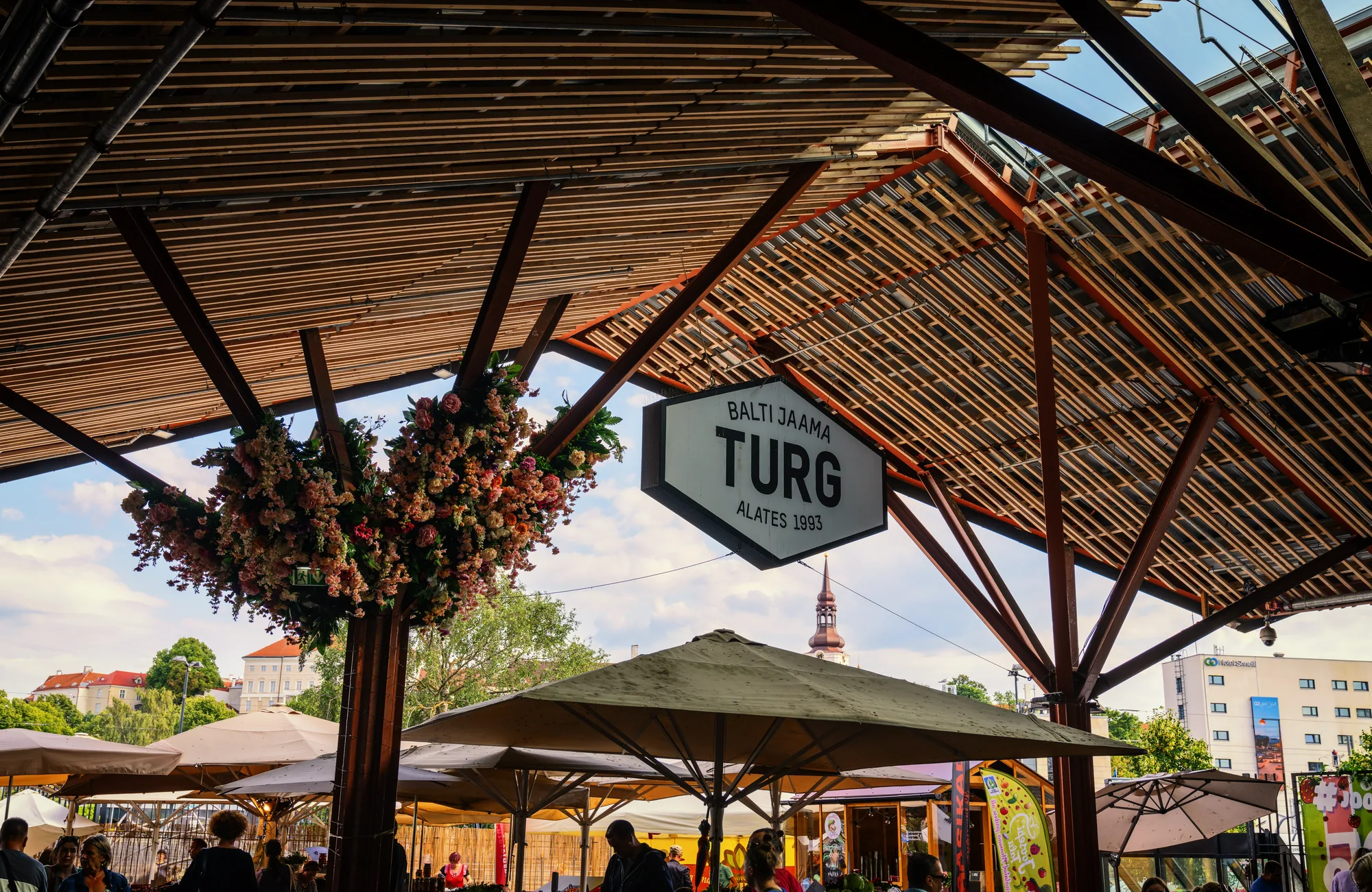
- Markets — Balti Jaam Market mixes food gifts, vintage, and crafts in one casual stop (see Food Markets in Tallinn).
For the broader strategy, start with Shopping in Tallinn.
Smart, Practical Gift-Buying
- Buy small and packable. Textiles, chocolate, and prints survive luggage; ceramics need careful wrapping.
- Check authenticity. For amber and handmade knitwear, buy from sellers who can tell you where the item came from.
- Mind the rules. Non-EU visitors may be eligible for VAT refunds on bigger purchases — ask in-store and keep receipts.
- Think edible. Food gifts are affordable, distinctly Estonian, and rarely disappoint.
How to Choose Souvenirs That Actually Mean Something
The most memorable souvenirs are the ones that carry a genuine sense of place, and Tallinn makes that easy if you skip the generic tourist windows and look for things rooted in Estonian craft and food. A good rule of thumb is to favour the small, the useful, and the local: an object you will actually wear, use, or eat will remind you of the trip far longer than a mass-produced trinket that ends up in a drawer. Estonia's material traditions give you plenty to work with, from hand-knitted wool to linen, from Kalev chocolate to the city's marzipan heritage, and the modern design scene adds a whole layer of contemporary options on top.
It also helps to think about who you are buying for and how you will get it home. Food gifts such as rye bread, honey, jam, and boxed chocolate are affordable, distinctly Estonian, and almost universally well received. Textiles like woollen mittens or linen towels are light, durable, and packable. Design objects, prints, and books give you something contemporary that still says Tallinn. And if you are tempted by amber, treat it as a considered purchase rather than an impulse buy, choosing a reputable seller who can tell you where the piece came from. The Shopping in Tallinn and Design Shops in Tallinn guides go further on where to find the good stuff.

Where to Pick Them Up Around the City
You can gather most of a souvenir list in a single relaxed loop, because each kind of gift has a natural home. The Old Town is the obvious place for knitwear, amber, crafts, and confectionery, charming to browse as long as you steer toward the small, locally-made shops rather than the import-heavy ones. For something contemporary, the maker studios and concept stores of Telliskivi are unbeatable, and they pair perfectly with a coffee and a wander. For casual, edible gifts, the stalls of Balti Jaam Market mix food, vintage, and crafts in one easy stop, as the Food Markets in Tallinn guide describes.
A little practical awareness rounds things off. Buy fragile items like ceramics last and wrap them carefully, keep food gifts in mind for the friends who are hardest to shop for, and remember that non-EU visitors may be able to claim a VAT refund on larger purchases, so it is worth asking in-store and holding on to receipts. Bought thoughtfully, your souvenirs become a small, lasting extension of the trip rather than clutter — which is exactly the point.
The Souvenirs That Last
The souvenirs people treasure long after a trip are almost never the generic ones, and Tallinn makes it easy to do better. The city's real material culture — hand-knitted wool, linen, ceramics, contemporary design, and a genuine chocolate and marzipan heritage — gives you plenty of choices that carry a true sense of place. A simple test cuts through the clutter: favour the small, the useful, and the local, the things you will actually wear, use, eat, or display, because those are the items that keep reminding you of the trip rather than gathering dust in a drawer.
It also pays to match the gift to the person and to your luggage. Food gifts such as boxed chocolate, marzipan, honey, jam, and dark rye are affordable, distinctly Estonian, and almost universally welcome, while textiles like woollen mittens and linen towels are light, durable, and easy to pack. Design objects, prints, and books offer a contemporary alternative that still says Tallinn, and amber rewards a careful, considered purchase from a seller who can vouch for it rather than an impulse buy. Wrap anything fragile well, keep your receipts in case you can reclaim VAT as a non-EU visitor, and your souvenirs become a lasting, lightweight extension of the trip instead of clutter.
One Last Tip
When in doubt, choose something edible or something handmade. A box of local chocolate, a jar of forest-berry jam, or a pair of hand-knitted mittens almost never disappoints, costs little, and carries a genuine taste of Estonia home with you. Save the bigger, more considered purchases for the things you truly love, and let the small, local, useful gifts do the rest of the work.
Go here next
 Go here nextShopping in TallinnA simple shopping guide to Tallinn: Old Town souvenirs, Telliskivi design and small makers, Rotermann modern shopping, and how to keep shopping from takingGo here nextNightlife in TallinnTallinn nightlife is cozy, creative, and surprisingly varied: craft beer in converted industrial spaces, stylish cocktail bars, and easy nights that still feelGo here nextDesign Shops in TallinnTallinn for design lovers: where to look for contemporary Estonian design, how to plan a Telliskivi design afternoon, and what to pair it with for the perfect
FAQ
What is the best souvenir from Tallinn?
It depends on taste, but woollen knitwear, linen, Kalev chocolate, marzipan, Estonian design objects, and amber are the standouts. Food gifts like rye bread and honey are affordable and distinctly local.
Where should I buy souvenirs in Tallinn?
The Old Town is best for crafts, knitwear, and amber; Telliskivi for modern design; and markets like Balti Jaam for casual food gifts and vintage. Favour small, locally-made shops over generic tourist stores.
Is amber a good souvenir to buy in Tallinn?
Amber is a Baltic classic and can be a lovely souvenir, but quality and authenticity vary. Buy from reputable sellers, expect genuine pieces to cost more, and ask about provenance.